
Apr 16, 2026
12.01 / 2025
Comprehensive Guide to High Vis Insulated Coveralls – Safety, Comfort & Durability
High Vis Insulated Coveralls: Essential Gear for Safety and Comfort Worldwide
In the complex world of personal protective equipment, high vis insulated coveralls occupy a unique yet critical niche. They combine visibility, thermal protection, and durability to support workers in harsh environments — from the frozen Arctic to bustling urban construction sites. Understanding these coveralls is crucial, not only for those in industrial settings but also for humanitarian operations, where safety and warmth are paramount. This article dives into the what, why, and how of high visibility insulated coveralls, revealing their global importance and practical benefits.
Why High Vis Insulated Coveralls Matter Globally
Across industries and nations, the need for comprehensive protective clothing has never been greater. According to the International Labour Organization (ILO), millions of workers operate in hazardous conditions where visibility, exposure to cold, and physical protection determine safety outcomes.1
High vis insulated coveralls address several challenges simultaneously. For instance, in the construction sector in North America and Europe, workers face severe weather and the daily risk of not being seen by machinery operators.
Meanwhile, NGOs operating in extreme climates—like UN Disaster Assessment teams in flood or cold zones—rely on durable, visible, and warm garments to safeguard their crews.
Frankly, these coveralls are more than just clothing; they’re a lifeline that blends regulation compliance, worker wellbeing, and operational continuity.
Mini Takeaway: High vis insulated coveralls are a global solution to a global problem — integrating safety, warmth, and visibility in one garment.
High Vis Insulated Coveralls: What Are They Exactly?
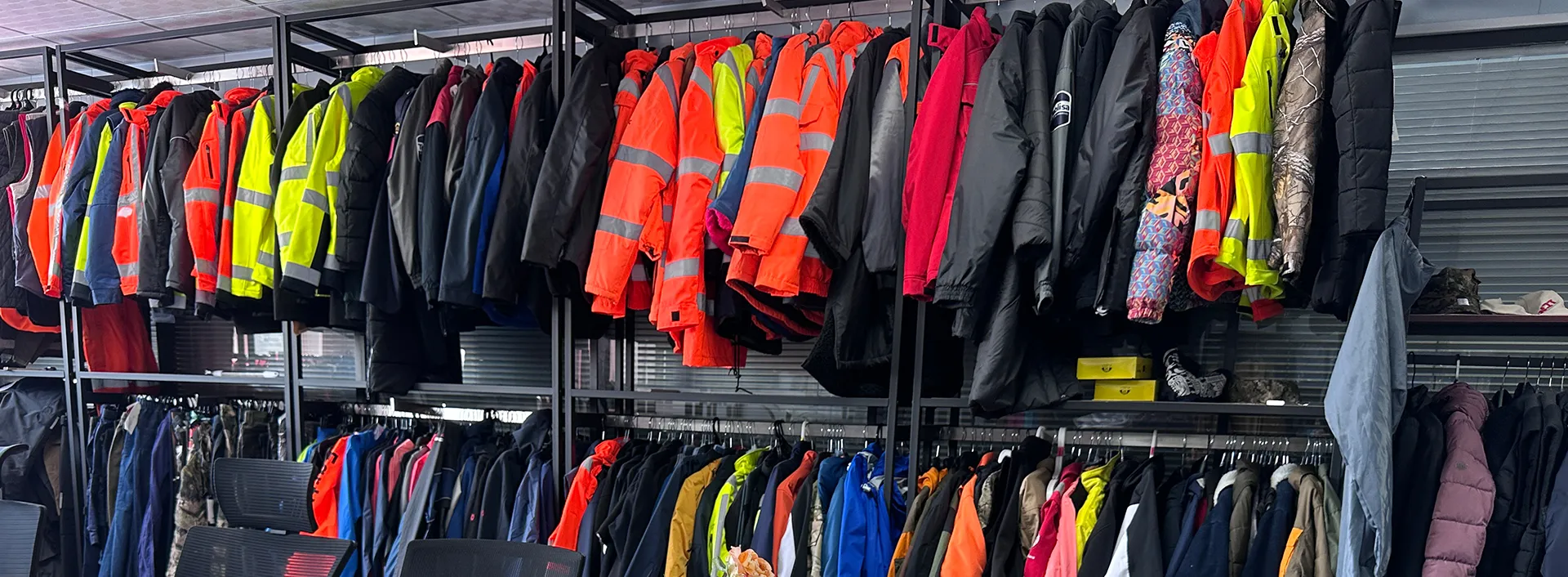
High visibility insulated coveralls are one-piece garments designed to provide thermal protection, enhanced visibility, and full-body coverage. Constructed from bright, reflective materials combined with layered insulation, they keep workers both seen and warm during hazardous tasks in challenging environments.
Unlike standard coveralls, these specialized versions incorporate fluorescent fabrics and retro-reflective tape that meet or exceed standards like ANSI/ISEA 107 in the US or EN ISO 20471 in Europe. The insulation core ranges from cotton blends to advanced synthetic fibers tailored for cold tolerance, durability, and breathability.
In practical terms, when you slap on a pair of these coveralls, you’re ready for scenarios requiring reliable warmth while remaining unmistakably visible—whether you’re shoveling snow on arctic oil rigs or repairing power lines at dusk.
Core Characteristics of High Vis Insulated Coveralls
1. Durability & Material Strength
Coveralls must endure abrasion, punctures, and nasty spills without compromising protection. Heavy-duty polyester blends often form the shell, reinforced with triple stitching and anti-tear fabrics.
2. Thermal Insulation
The lining varies but commonly includes quilted polyester or Thinsulate® layers, providing insulation without excessive bulk. Engineers often debate the “sweet spot” for warmth vs. mobility — which is tricky but essential so workers don’t freeze or feel bogged down.
3. Visibility Standards Compliance
High vis materials meet strict regulatory standards (ANSI/ISEA or EN ISO). Usually, bright fluorescent yellows or oranges dominate, paired with reflective strips that bounce back headlights or equipment lighting.
4. Comfort & Fit
Adjustable cuffs, elastic waists, and gusseted knees improve motion and ensure the garment fits various body shapes. After all, protection is moot if workers aren’t comfortable enough to wear the gear consistently.
5. Weather & Water Resistance
Many designs feature water-repellent finishes or breathable membranes to handle snow, rain, or oil spills while preventing heat loss.
6. Accessibility & Practicality
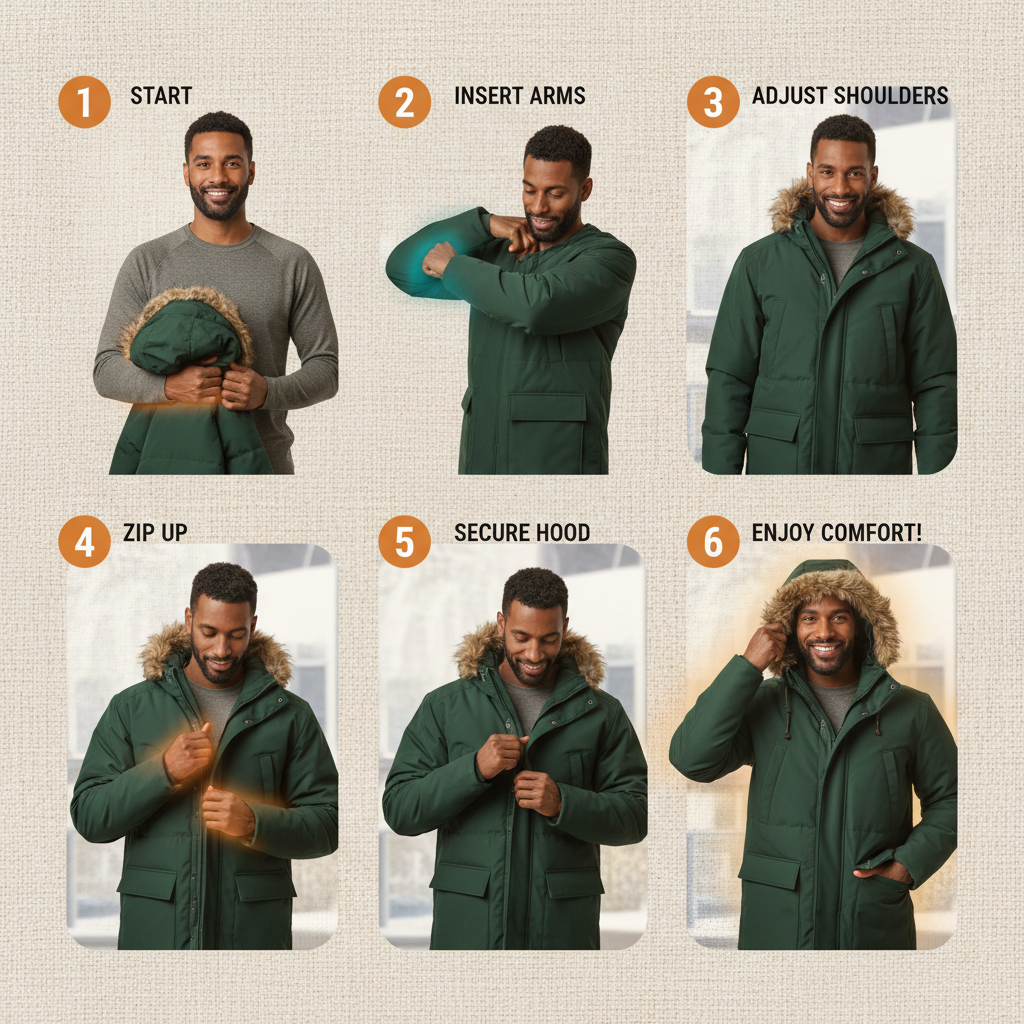
Thoughtful pocket placement, reinforced knees, and easy-to-use front zippers make on-the-job access and quick dressing easier.
Mini Takeaway: These coveralls balance strength, warmth, and visibility without sacrificing comfort — a complex design task that manufacturers nail with evolving tech.
Where Are High Vis Insulated Coveralls Actually Used?
Industries and regions worldwide embrace these coveralls due to their versatile protection:
- Heavy Construction: In places like Canada and Scandinavia, coveralls protect workers from cold, snow, and lumberyard machinery.
- Utilities & Energy: Oil rigs in the North Sea and power line technicians globally rely on insulated coveralls during cold-weather maintenance.
- Transport & Logistics: Port workers unloading cargo or airport runway crews working at night benefit from enhanced visibility and insulation.
- Humanitarian Operations: UN relief teams in cold zones or flood-affected areas use such gear to ensure their safety while aiding vulnerable populations.
- Mining: Underground and surface miners wear these coveralls to shield from dust, hazards, and chilling temperatures underground.
For example, NGOs deploying aid in post-cyclone Bangladesh have reported that properly insulated and highly visible coveralls significantly reduce workplace injuries during nighttime relief efforts.
Product Specifications Snapshot
| Feature | Typical Values |
|---|---|
| Fabric Material | 100% Polyester Heavyweight Ripstop |
| Insulation | 120g Thinsulate® quilted lining |
| Visibility Class | ANSI Class 3 / EN ISO 20471 Level 2 |
| Water Resistance | DWR finish, repels light rain |
| Sizes | S to 4XL |
| Weight | 1.2 - 1.5 kg depending on size |
How Vendors Stack Up: A Quick Comparison
| Vendor | Price Range (USD) | Warranty | Special Features | Global Availability |
|---|---|---|---|---|
| SafeWear Pro | 130 - 180 | 2 years | Moisture-wicking, Reflective Tape 3M | Europe, North America, Asia |
| ArcticGuard | 160 - 220 | 3 years | Extended cold resistance, Reinforced seams | Global |
| BrightSafety | 120 - 170 | 1 year | Lightweight, UV-resistant fabric | North America, Australia |
Advantages of Using High Vis Insulated Coveralls
Choosing the right insulated coverall delivers multiple wins:
- Enhanced Safety: They ensure workers never go unseen, lowering accident rates dramatically.
- Thermal Comfort: Proper insulation wards off hypothermia and reduces cold-induced fatigue, leading to higher productivity.
- Long-Term Savings: Durable materials extend garment life, reducing frequent replacements and operational downtime.
- Improved Worker Morale: Employees feel cared for and protected, which oddly enough affects engagement positively.
- Sustainable Options: Some manufacturers now incorporate recycled fabrics and environmentally friendly coatings.
Mini Takeaway: The investment in quality coveralls often pays for itself through safety, comfort, and sustainability dividends.
Looking Forward: Trends in High Vis Insulated Coveralls
Innovation continues apace, driven by technology and environmental awareness. Expect to see:
- Smart Fabrics: Integration of sensors monitoring body temperature or exposure risks.
- Eco-Friendly Materials: Recycled fibers and biodegradable coatings becoming mainstream.
- Modular Design: Removable insulation layers for adaptability across seasons.
- Digital Transformation: QR codes embedded for compliance tracking and worker identification.
- Improved Breathability: New membrane technologies balance warmth and moisture management better than ever.
Common Challenges and How Industry Tackles Them
Challenges in high vis insulated coveralls include balancing warmth with bulk, maintaining visibility despite dirt and wear, and cost pressures in large-scale procurement.
Producers are experimenting with advanced coatings that repel mud and grime, ensuring reflective strips remain effective longer. Meanwhile, incorporating lightweight insulation tech lessens the heaviness that sometimes discourages wear. Collaboration between designers and end-users is improving fit and practical features — for example, magnetic closures replacing noisy, fiddly snaps or zips that jam.
FAQ: Your Top Questions About High Vis Insulated Coveralls
Q1: Are high vis insulated coveralls suitable for tropical climates?
A1: Generally, they are designed for cold or moderate climates where insulation and visibility are critical. For tropical regions, lighter, high visibility garments without heavy insulation are recommended to avoid heat stress.
Q2: How often should these coveralls be replaced?
A2: Replacement varies by use, but typically after 1–3 years of heavy-duty work or when visibility elements or insulation degrade noticeably. Regular inspection is essential.
Q3: Can these coveralls be customized with company logos or additional protective features?
A3: Yes, most manufacturers offer customization options including branding, flame-retardant layers, and additional pockets.
Q4: How do I ensure compliance with safety standards?
A4: Verify that the coveralls carry certifications like ANSI/ISEA or EN ISO marks and consult your local occupational health and safety regulations.
Q5: Are there eco-friendly high vis insulated coveralls available?
A5: Increasingly yes. Look for brands using recycled materials and environmentally safe treatments—this trend is growing in response to sustainability demands.
Wrapping Up: Why Invest in High Vis Insulated Coveralls?
To sum it up, high vis insulated coveralls embody a perfect fusion of safety, comfort, and practicality tailored for modern workers who face extreme environmental conditions daily. They are a strategic investment—cutting costs in the long-run via durability, boosting safety, and ultimately supporting worker wellbeing and operational success all around the globe.
If your operation demands top-tier personal protection gear, don’t hesitate to explore the latest offers and specs. Visit PullyTrade for a curated selection that ticks all the right boxes.
Stay safe, stay visible, and keep warm out there.
References: