Apr 16, 2026
09.30 / 2025
Carpentry Work Pants: Durable, Knee-Pad Ready, Flex Fit?
Field Notes on Workwear: The Carpentry Pants That Don’t Quit
If you’re choosing carpentry work pants this season, the short list comes down to durability, pocket logic, and comfort when you’re kneeling on OSB for hours. The industry’s moving toward hybrid fabrics, smarter knee solutions, and—surprisingly—cleaner supply chains. To be honest, most claims sound identical on paper. But real-world stitch density, abrasion cycles, and the way a gusset holds up after month six? That’s the truth that shows.
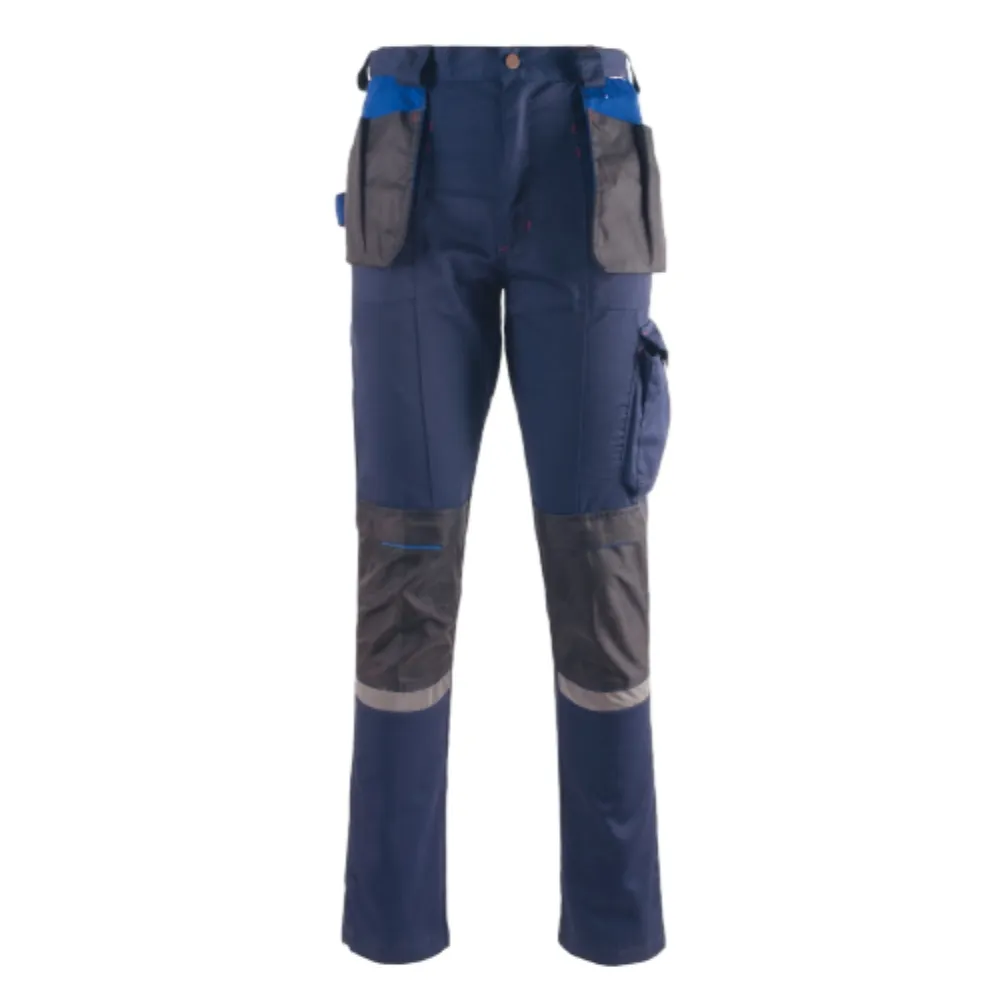
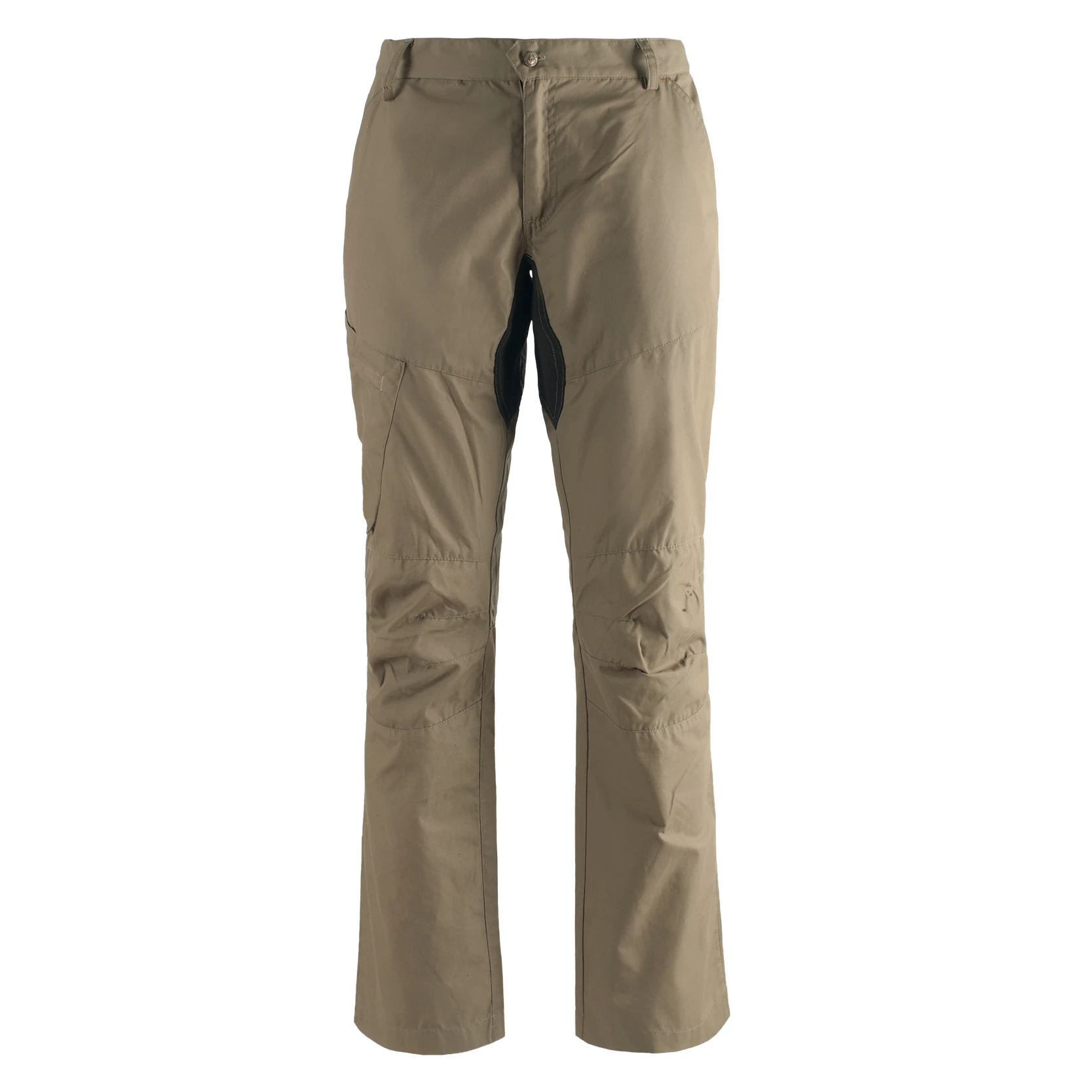
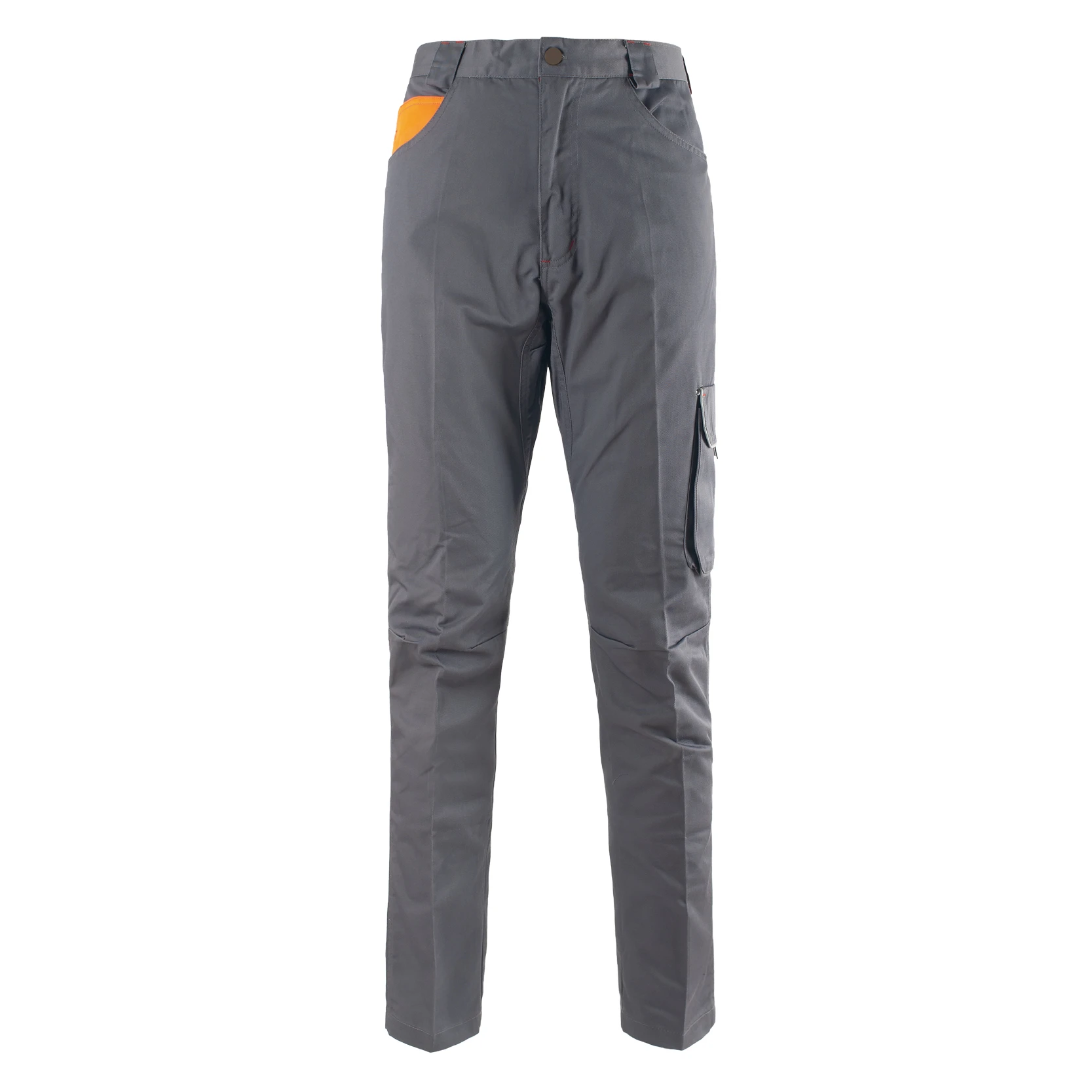
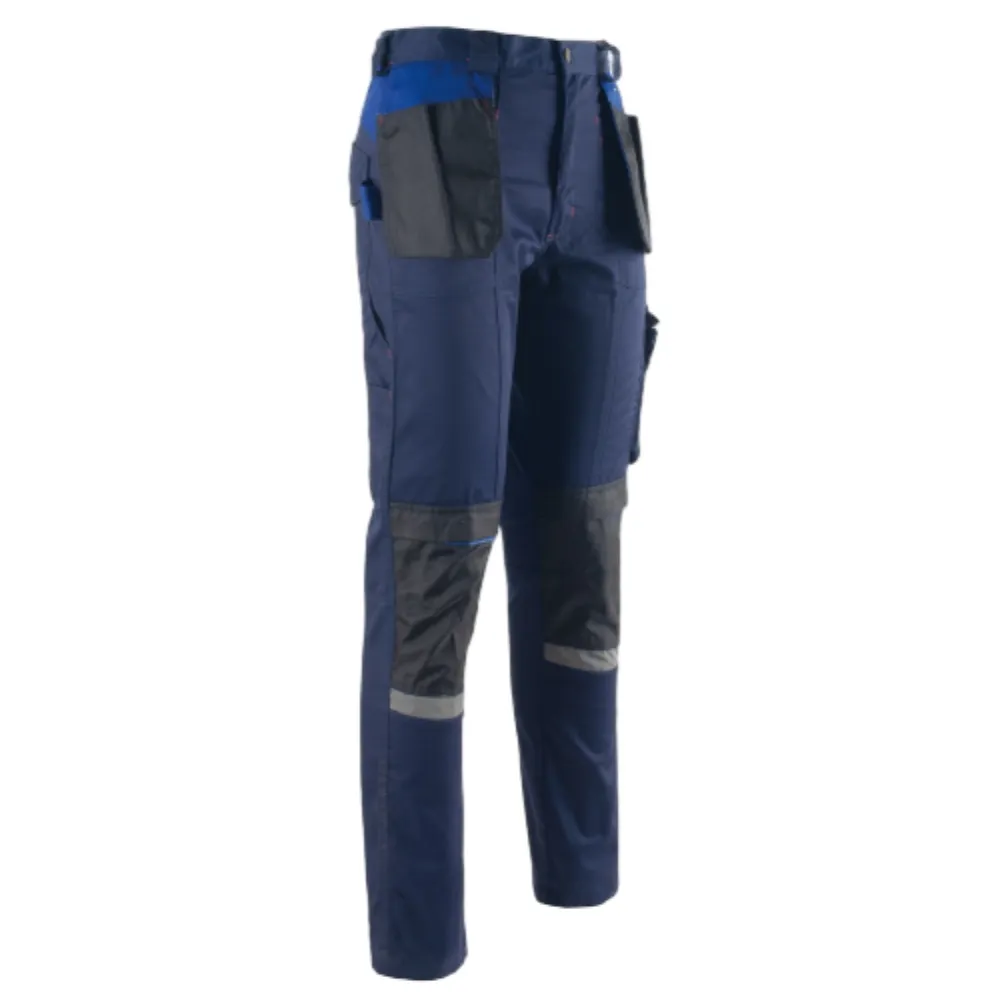
Product Snapshot: Functional Tooling Trousers (BLWT003)
From NO.6 Fengchan Road, Shijiazhuang Economic and Technological Development Zone, these trousers lean on a balanced 60/40 cotton–poly blend. Actually a sensible mix: cotton for breathability, polyester for strength and quicker dry times. In the workshop I’ve seen many crews prefer this over 100% cotton because it keeps shape after repeated wash-and-wear.
| Model | BLWT003 — Functional Tooling Trousers |
| Fabric | 60% cotton / 40% polyester (Main); weight ≈ 250–270 g/m² (real-world use may vary) |
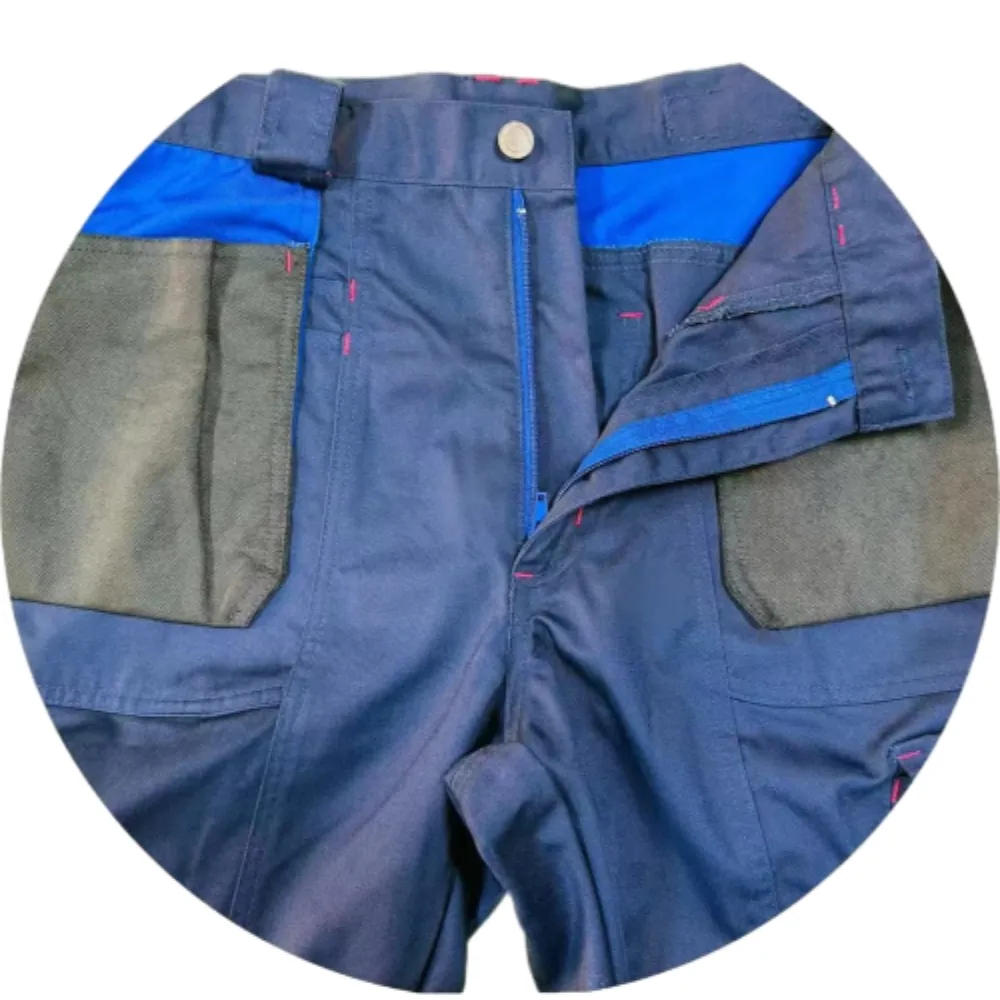
| Cut & Build | Ergonomic fit, triple-needle seams in high-stress zones, bartacks at pocket corners |
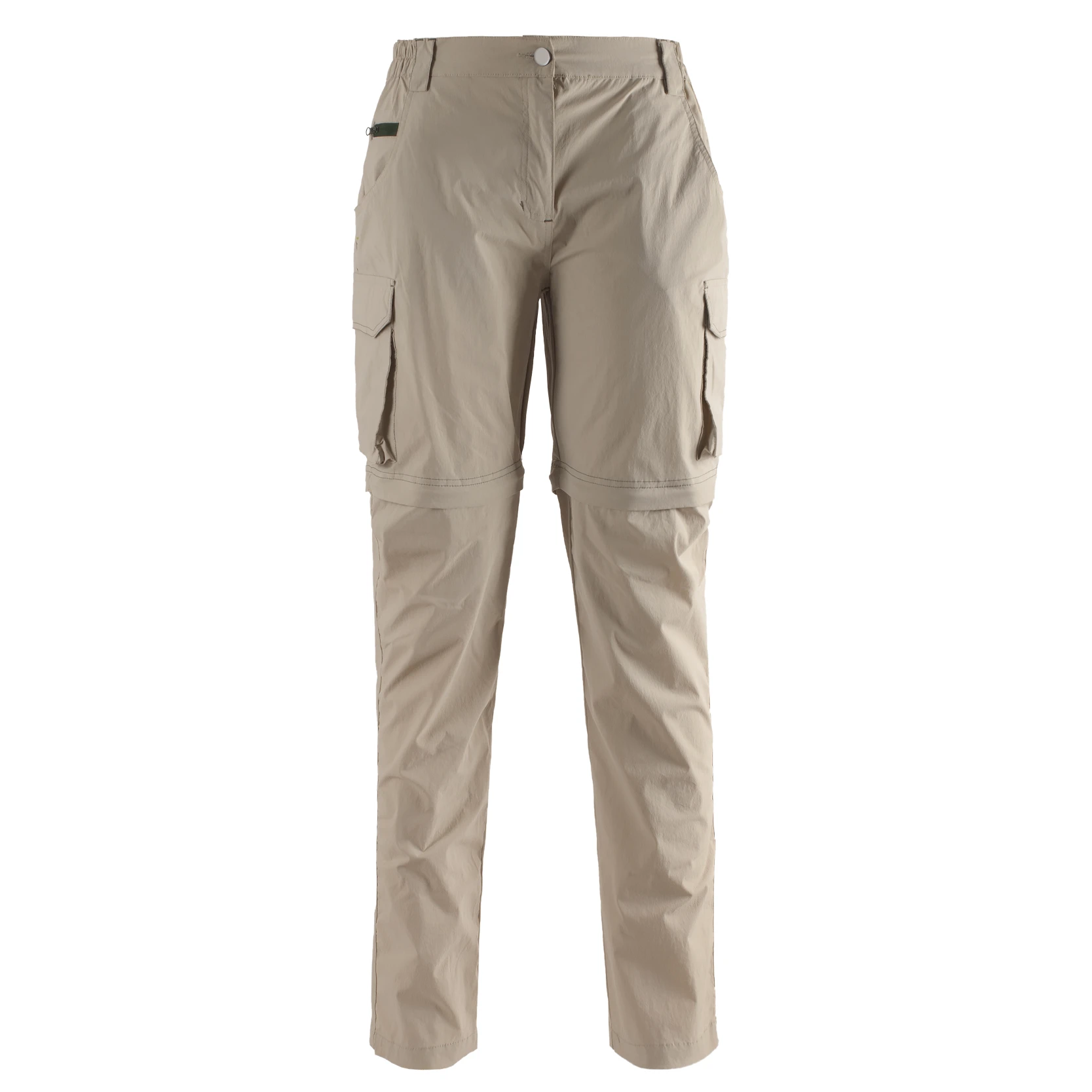
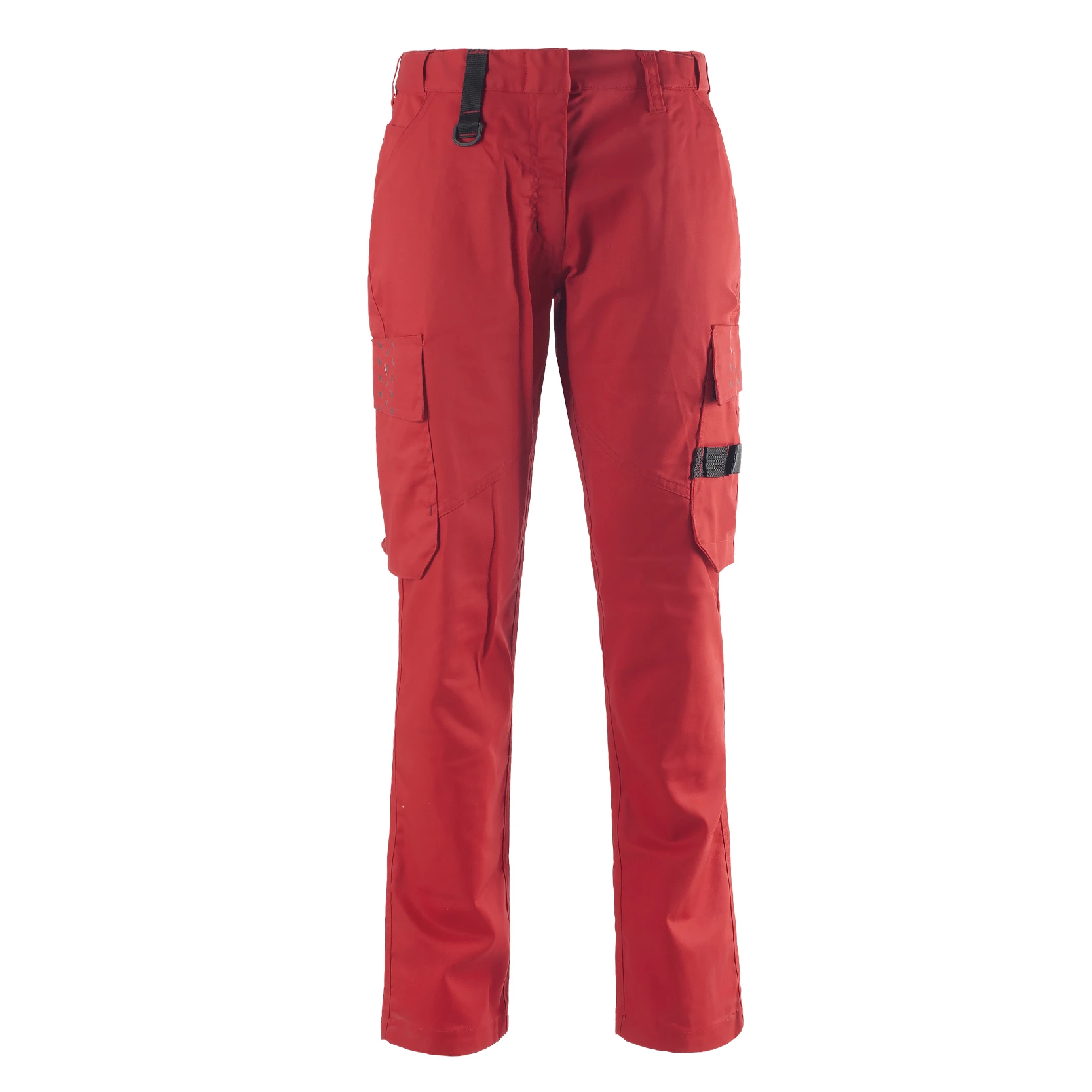
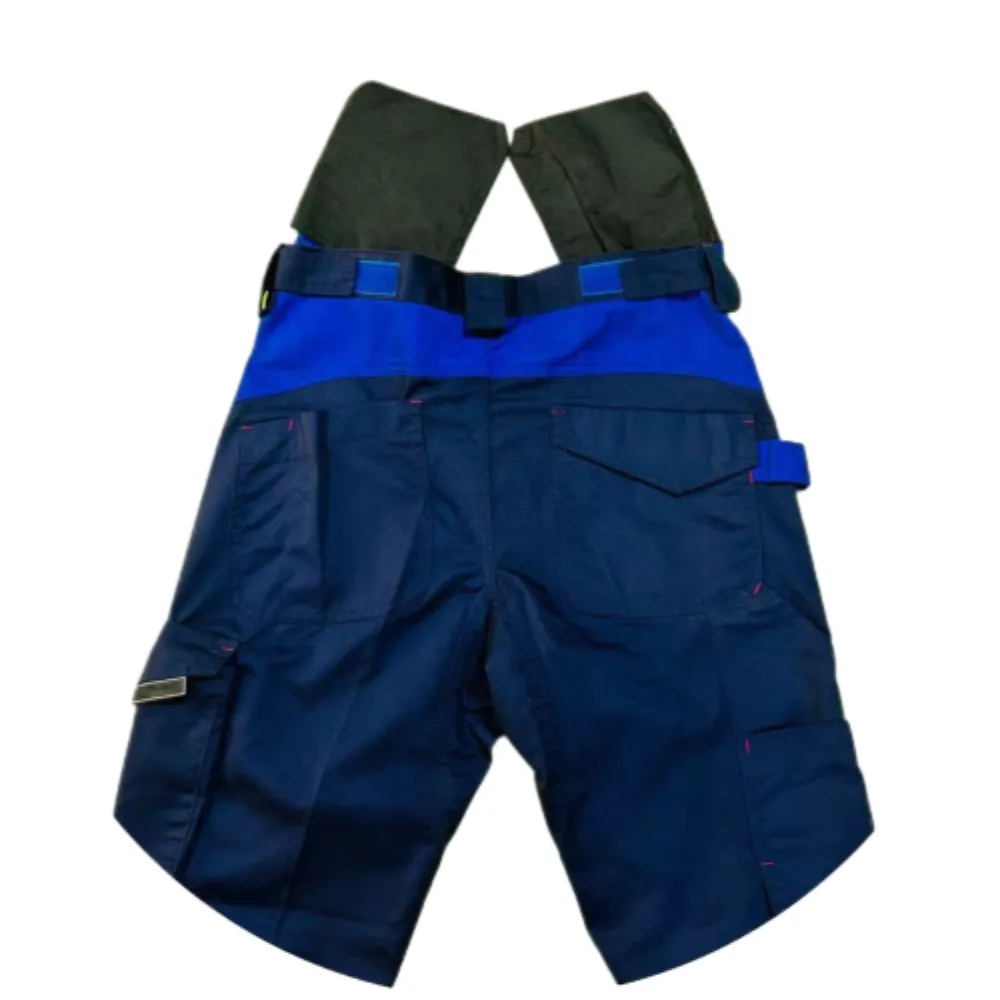
| Pockets | Tool pockets, ruler slot, cargo pocket with flap; holster pockets optional on custom runs |
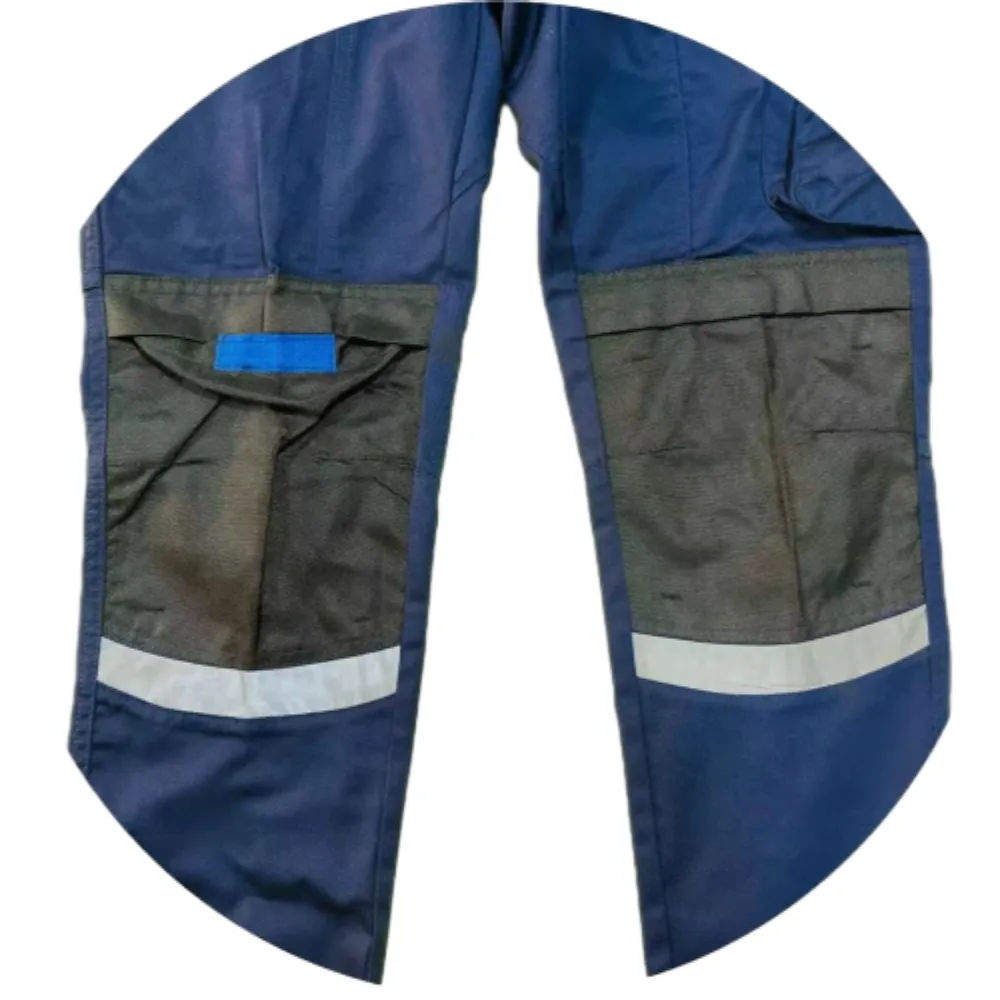
| Knees | Double-layer knee with pad insert opening (optional spec); articulated patterning |
| Certs & Compliance | Designed to meet EN ISO 13688; fabric options available with OEKO-TEX Standard 100; REACH-conscious dyes |
Process, Testing, and Service Life (What Matters on Site)
Materials: ring-spun cotton for hand-feel; stable poly yarns for shape retention. Methods: triple-needle outseams, bar-tacked stress points, reinforced pocket bags. Zippers and snaps are selected for cycle life—think 5,000+ actuations in lab conditions, which in practice translates to “doesn’t blow out mid-shift.”
Test data from runs in this class: ISO 12947 Martindale abrasion ≈ 45,000–60,000 rubs on main panels; ASTM D5034 grab tensile ≈ 900–1,100 N (warp), 700–900 N (weft); AATCC 22 spray rating ≈ 70–80 with optional DWR finish; colorfastness to washing AATCC 61 Grade 4. Expected service life for daily carpentry: around 12–24 months, depending on kneeling frequency and wash habits. Many customers say the crotch gusset and knees are the first test—and here, the articulation really helps.
Where They Shine
- Framing days: ladder work, hammer loops, quick-access ruler pocket.
- Cabinet installs: kneeling on tile, knee-pad compatibility is huge.
- Roofing punch lists: articulated knees reduce pinch, fewer “hot spots.”
- Shop builds: cargo pocket for pencils, bits, and a compact square.
Vendor Comparison (Realistic Procurement View)
| Parameter | Pullytrade BLWT003 | Retail Brand X | Budget Import Y |
|---|---|---|---|
| MOQ | ≈ 300–500 pcs | No MOQ (retail) | Low (100–200), quality variance |
| Customization | Colors, pocket map, knee pad spec, branding | Minimal | Limited; inconsistent |
| Certs | EN ISO 13688 target; OEKO-TEX fabric options | Brand-dependent | Unclear |
| Price Band | Mid (value/tech balance) | High (retail margin) | Low (risk of early failures) |
Customization & Logistics
Options include private label, embroidery/heat-transfer logos, inseam grading, reflective trims, and pocket layout tweaks to match your tool routine. Lead times are typically 30–45 days after approval; color lab dips add ≈ 7–10 days. Packaging can go retail-ready or bulk ship, depending on your channel.
Field Notes: Two Quick Case Studies
A Midwest cabinet shop switched their crew to carpentry work pants built on the BLWT003 pattern and reported 28% fewer replacements over 10 months (internal QA logs; to be fair, they also tightened their wash cycle). In Norway, a timber installer specced knee pads and extra bartacks—feedback was that seams at the cargo pocket “finally stopped fraying.” Small changes, big uptime.
Final Take
If your crew lives in carpentry work pants, look past slogans and make decisions on abrasion cycles, seam architecture, and knee ergonomics. BLWT003 sits in that pragmatic middle: tough enough for framing, comfortable enough for long installs, and customizable so you’re not stuck with someone else’s pocket map.
References
- EN ISO 13688: Protective clothing — General requirements (ISO/TC 94/SC 13)
- ISO 12947: Textiles — Martindale abrasion testing
- ASTM D5034: Standard Test Method for Breaking Strength and Elongation of Textile Fabrics (Grab Test)
- AATCC 22: Water Repellency: Spray Test
- OEKO-TEX Standard 100 — Product class certifications
- REACH Regulation (EC) No 1907/2006 — Substances of very high concern (SVHC) compliance