Apr 16, 2026
10.27 / 2025
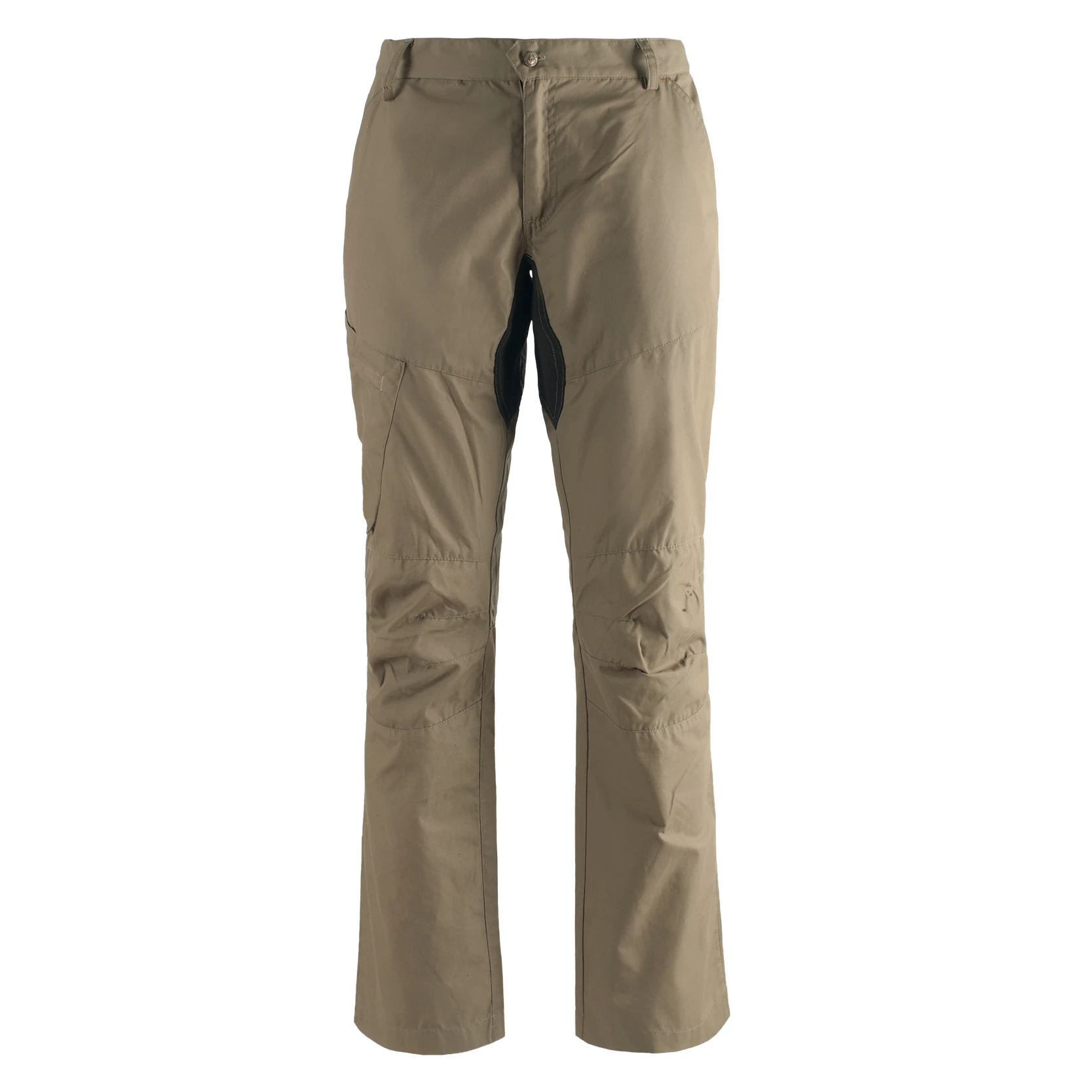
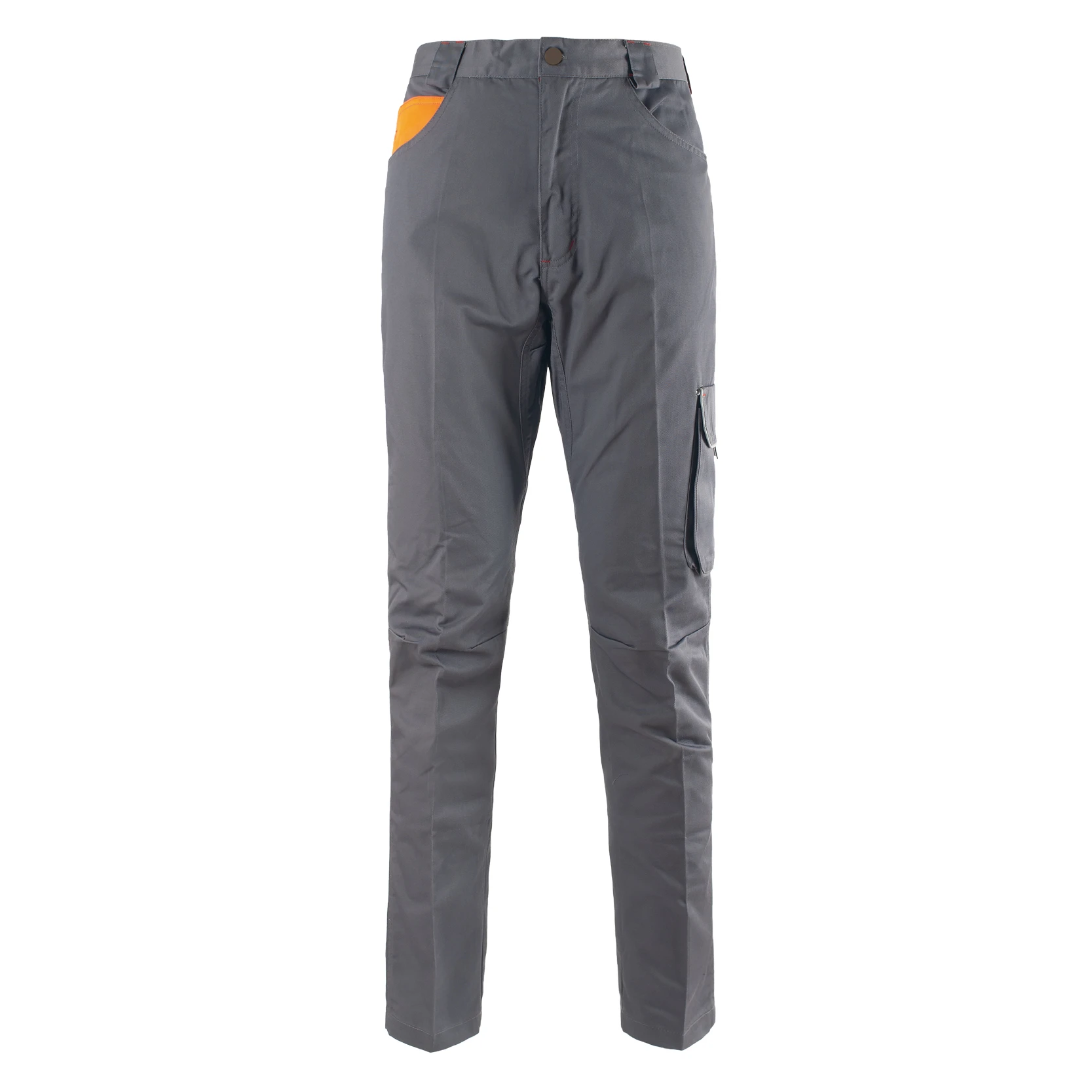
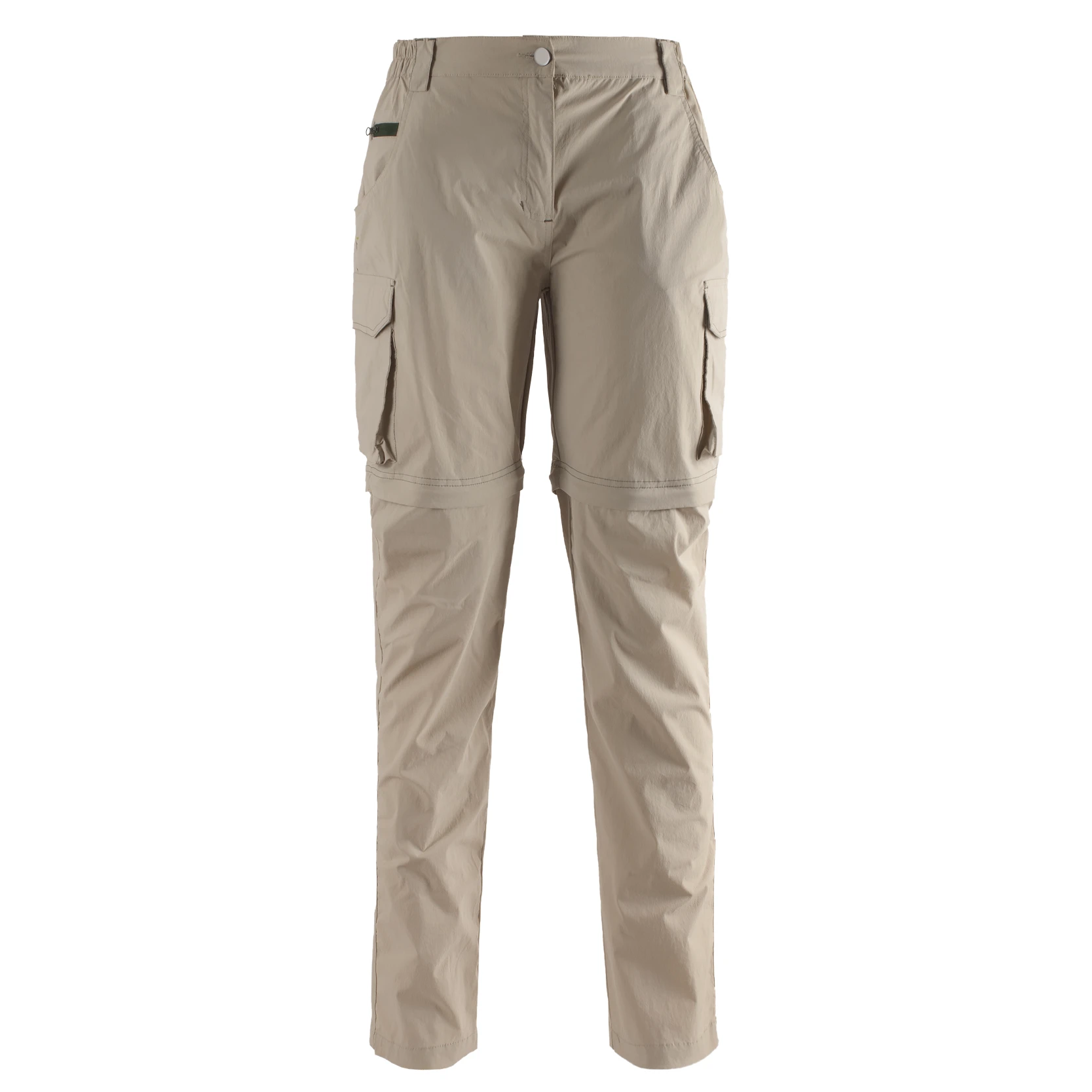
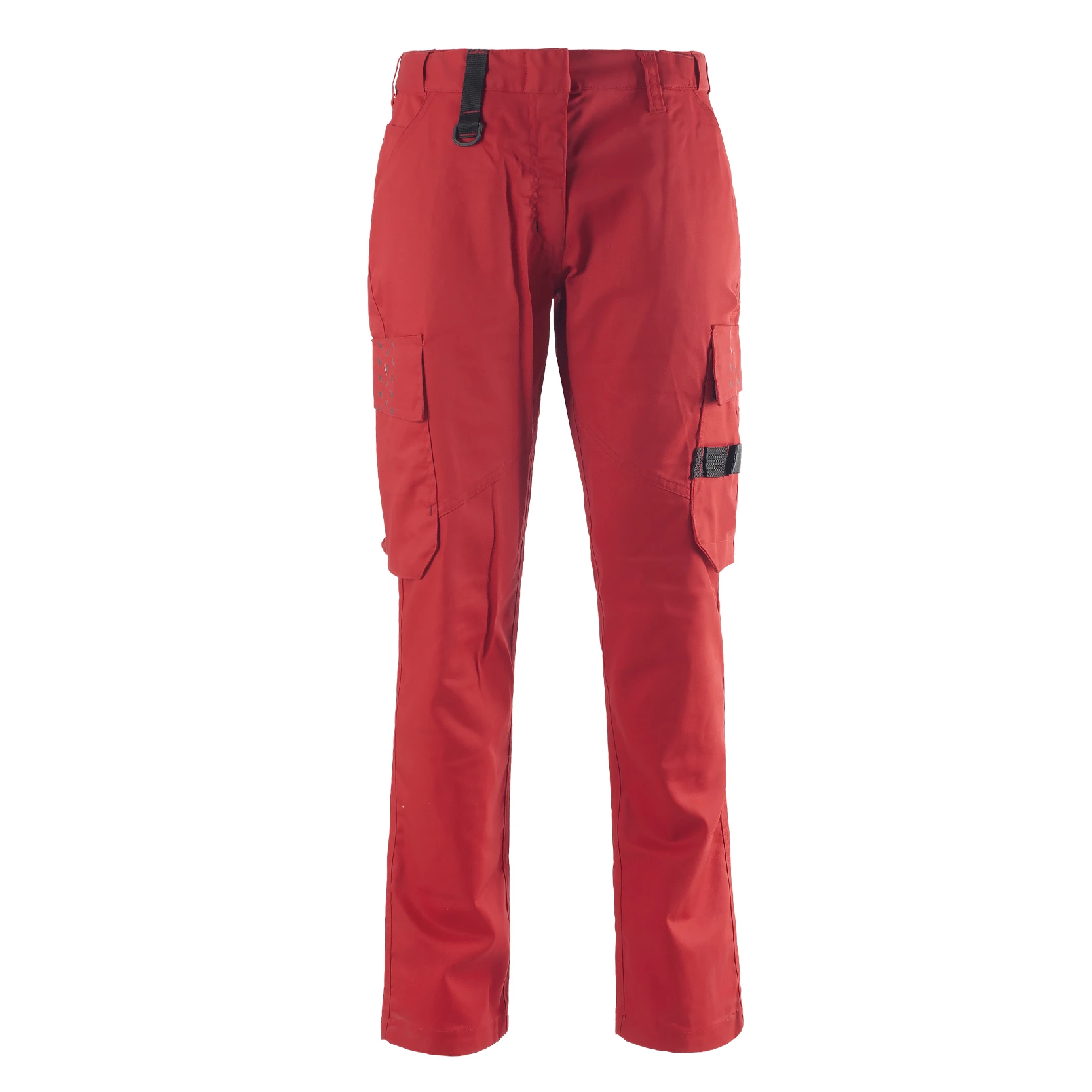
Carpentry Work Pants with Knee Pads | Durable, Tool Pockets
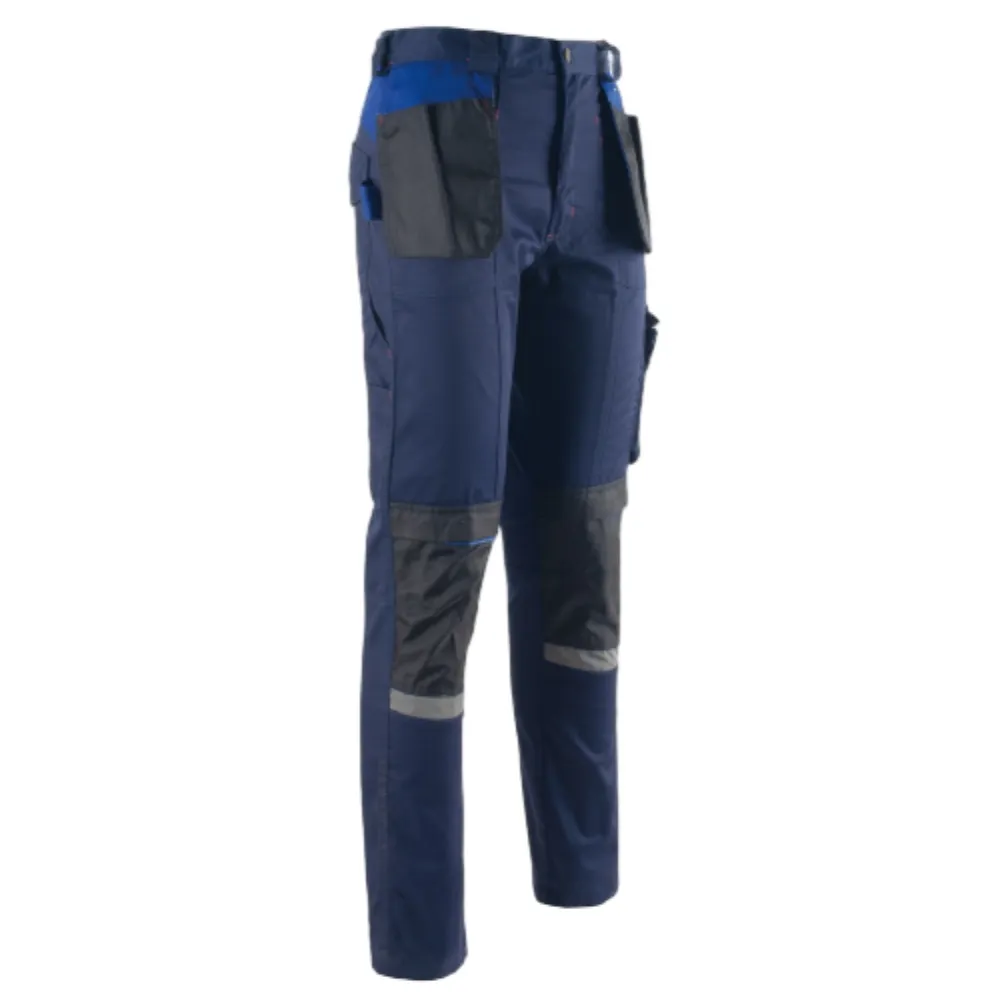
Functional Tooling Trousers: a field report on modern workwear that earns its keep
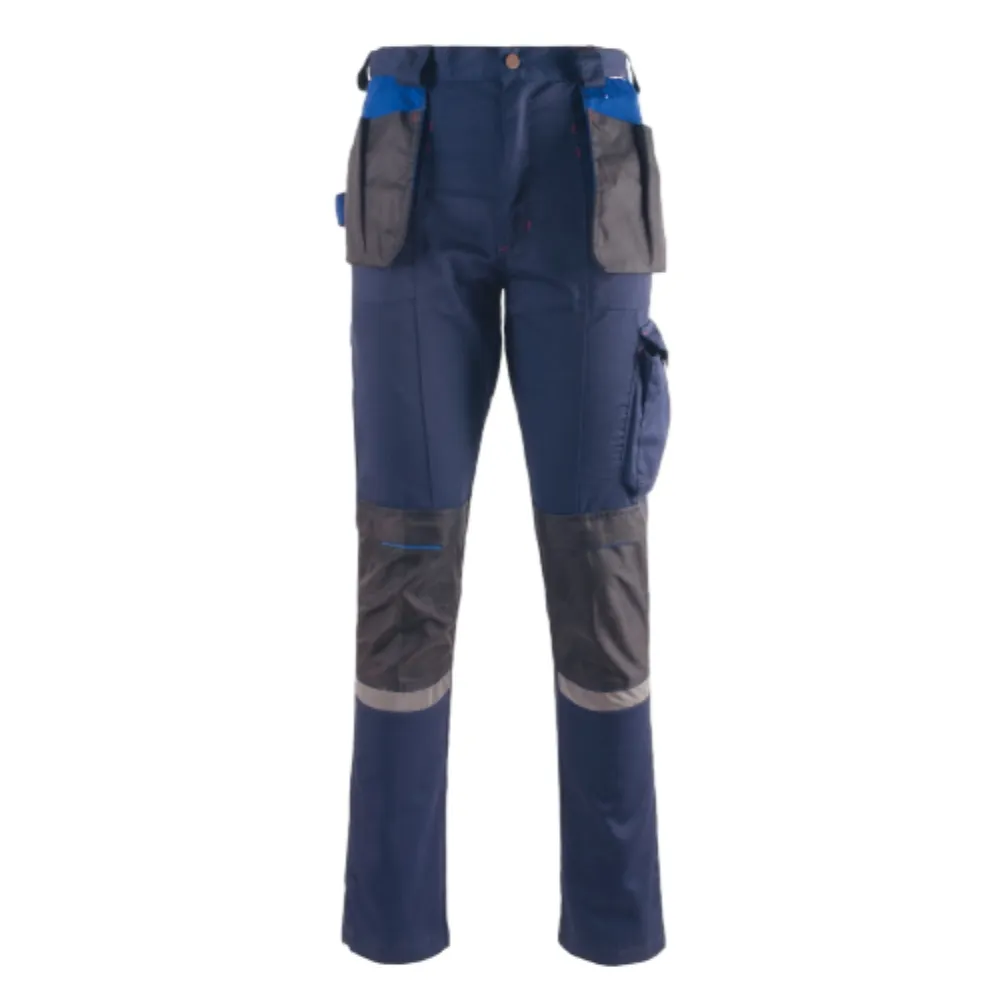
I’ve been testing carpentry work pants for years, on sites where sawdust gets everywhere and fasteners hide in your knee pockets like they pay rent. Trends shift, sure, but durability and pocket logic still decide whether a pair survives the first month. This “Functional Tooling Trousers” model (No. BLWT003) from Shijiazhuang—Origin: NO.6 Fengchan Road, Shijiazhuang Economic and Technological Development Zone—leans into blended fabric tech without forgetting the simple stuff: stitch strength, stress-point reinforcement, and a fit that doesn’t fight you.
What’s changing in workwear
Two big shifts: fabric engineering and modular storage. Instead of pure cotton duck, many brands are settling on cotton/poly blends for better abrasion resistance and quicker dry times—this pair is 60% cotton, 40% polyester. Also, task-specific pockets (ruler slots, holster-style dump pockets, hammer loops) are becoming standard. And, to be honest, knee-pad compatibility is now a dealbreaker for a lot of crews.
Product snapshot
| Product Name | Functional Tooling Trousers |
| Model / Number | BLWT003 |
| Fabric | 60% cotton / 40% polyester twill, ≈ 260–300 g/m² (real-world use may vary) |
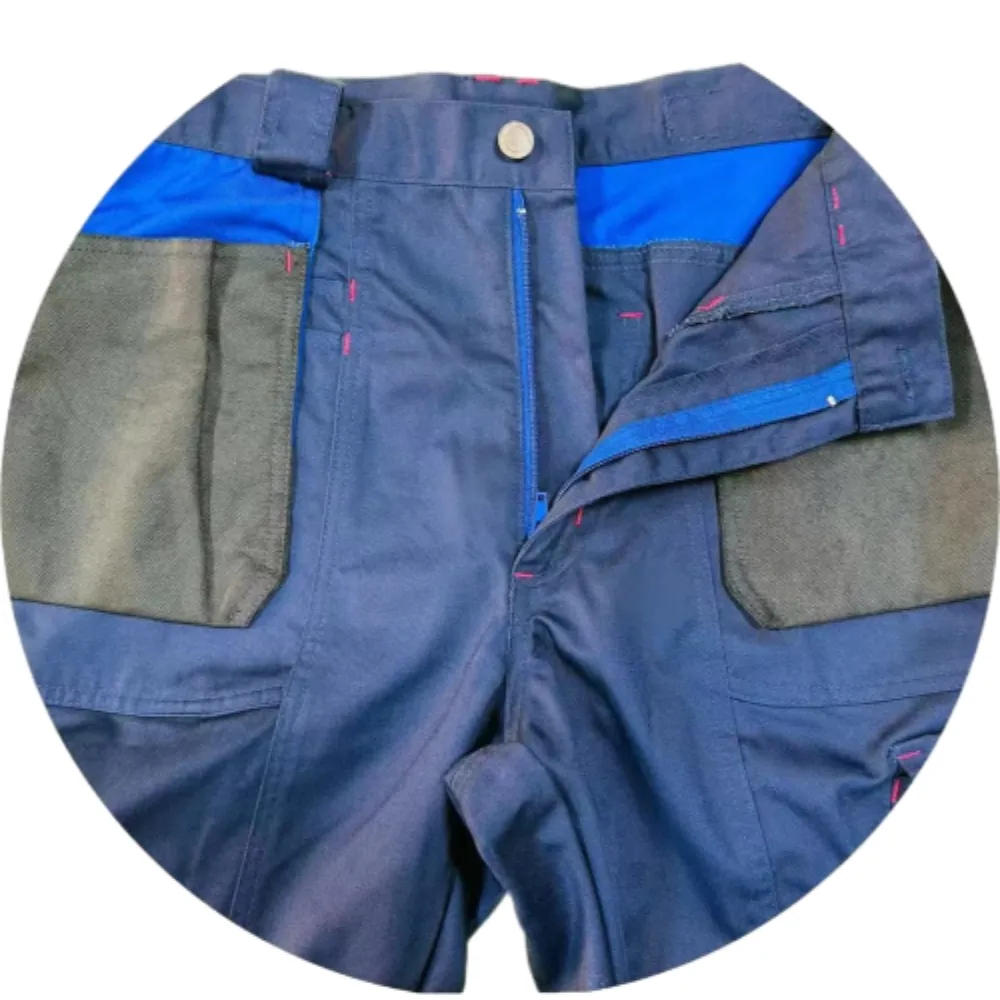
| Construction | Triple-needle seams, bartacks at stress points, reinforced pocket edges |
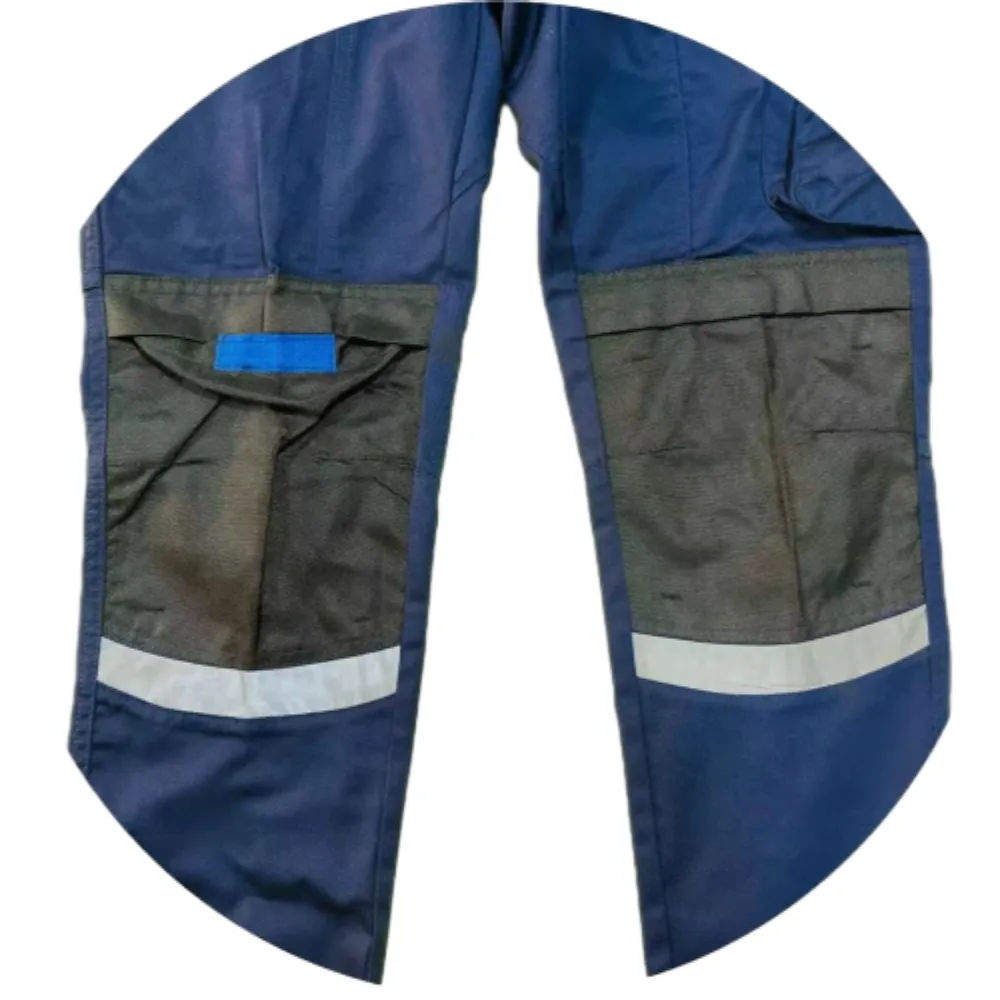
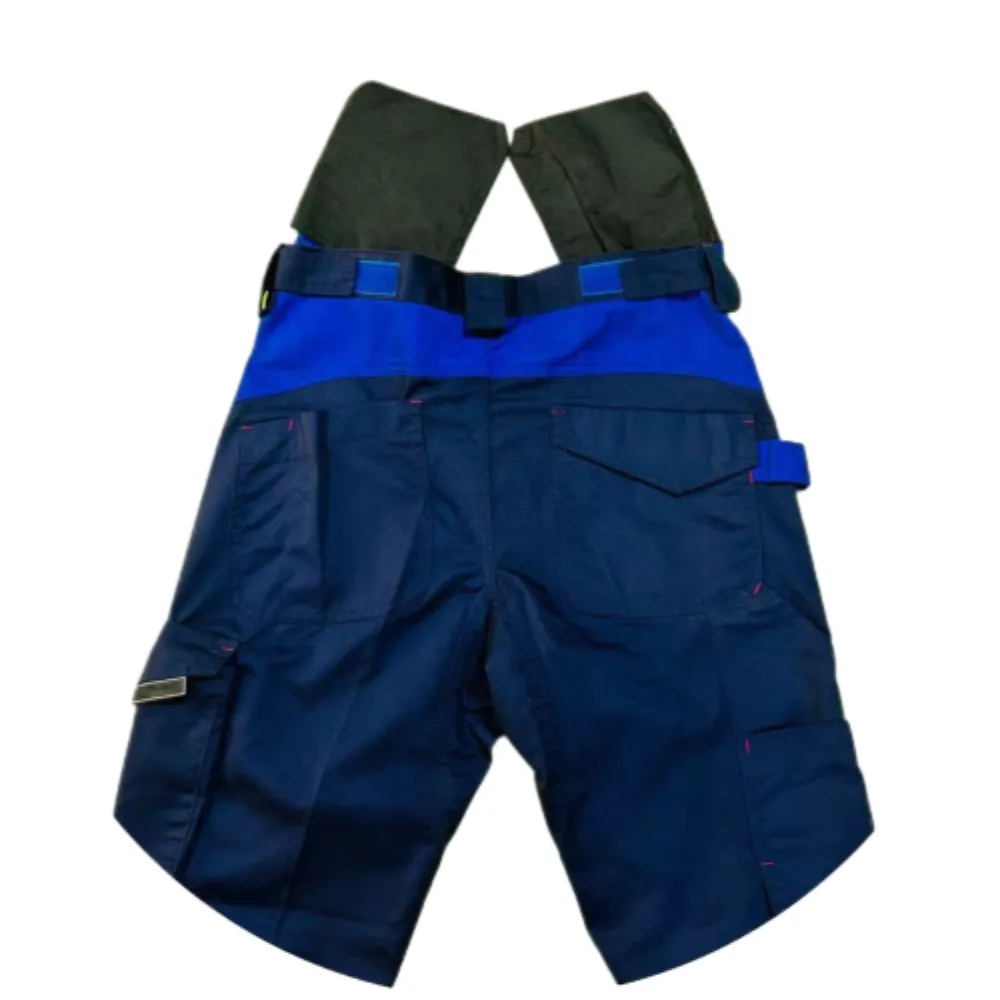
| Features (typical) | Cargo/utility pockets, ruler slot, optional hammer loop, knee-pad compartment (select versions) |
| Sizes / Fit | Wide size run; regular fit, work rise; hem length customization available |
Application scenarios: framing, finish carpentry, cabinet shops, site supervision, even maintenance teams that crawl, climb, and carry all day. Many customers say the waistband and rise matter more than advertised—if it pinches when you crouch, you won’t wear it. This one feels surprisingly neutral through the hips.
Process flow and testing (how it’s built to last)
- Materials: combed cotton + polyester twill, core-spun thread; colorfast reactive dyes.
- Cut & sew: triple-needle outer seams, bartacks at ≈12–16 high-stress points, pocket facings reinforced.
- Hardware: heavy-duty zipper and shank; optional rivets on utility pockets.
- Testing standards: EN ISO 13688 for general garment requirements; ISO 12947 Martindale abrasion; ASTM D5034 grab tensile; AATCC 61 colorfastness.
- Typical lab data (sample lot): Martindale abrasion >50,000 cycles; Tensile strength ≈ 850 N (warp) / 600 N (weft); Tear resistance ≈ 45–60 N; Seam slippage
- Service life: around 18–36 months under daily trade use; obviously, concrete work and screws in pockets shorten that.
- Industries: carpentry, MEP trades, facility maintenance, warehousing.
Vendor comparison (what you actually get)
| Vendor | Fabric & Build | Certifications | Lead Time | Customization |
|---|---|---|---|---|
| PULLYTRADE (BLWT003) | 60/40 twill, triple-needle, reinforced pockets | ISO 9001 factory; OEKO-TEX fabric options | ≈ 25–35 days | Logos, colors, pocket layout, inseam |
| Brand A (import) | Blend varies; mixed stitching (double/triple) | Basic QC; partial test reports | ≈ 30–45 days | Limited color/size |
| Marketplace seller | Unknown blend; seam quality varies | Minimal | Ships stock only | None or logo-only |
Customization and real-world notes
Options typically include pocket mapping, reflective tape, embroidery/patches, leg length, and fabric weight. Field feedback? “Pockets are deep enough for fasteners,” one foreman told me; another said the knees held up after two months of subfloor work—no shiny spots yet. It seems that blended twill does buy you time between replacements.
Bottom line
If you’re speccing carpentry work pants for a crew, insist on documented abrasion and tensile tests, triple-needle seams, and a sane pocket layout. For procurement teams, ask for ISO/ASTM test sheets and fabric origin—every detail adds up.
Citations
- EN ISO 13688:2013 – Protective clothing — General requirements.
- ISO 12947 (Martindale) – Determination of abrasion resistance of fabrics.
- ASTM D5034 – Standard Test Method for Breaking Strength and Elongation of Textile Fabrics (Grab Test).
- OEKO-TEX Standard 100 – Testing for harmful substances in textiles.