
Apr 16, 2026
12.09 / 2025
Camo Heated Clothes: Industrial Warmth Meets Practical Design | PullyTrade
A Practical Look at camo heated clothes for Industrial Use
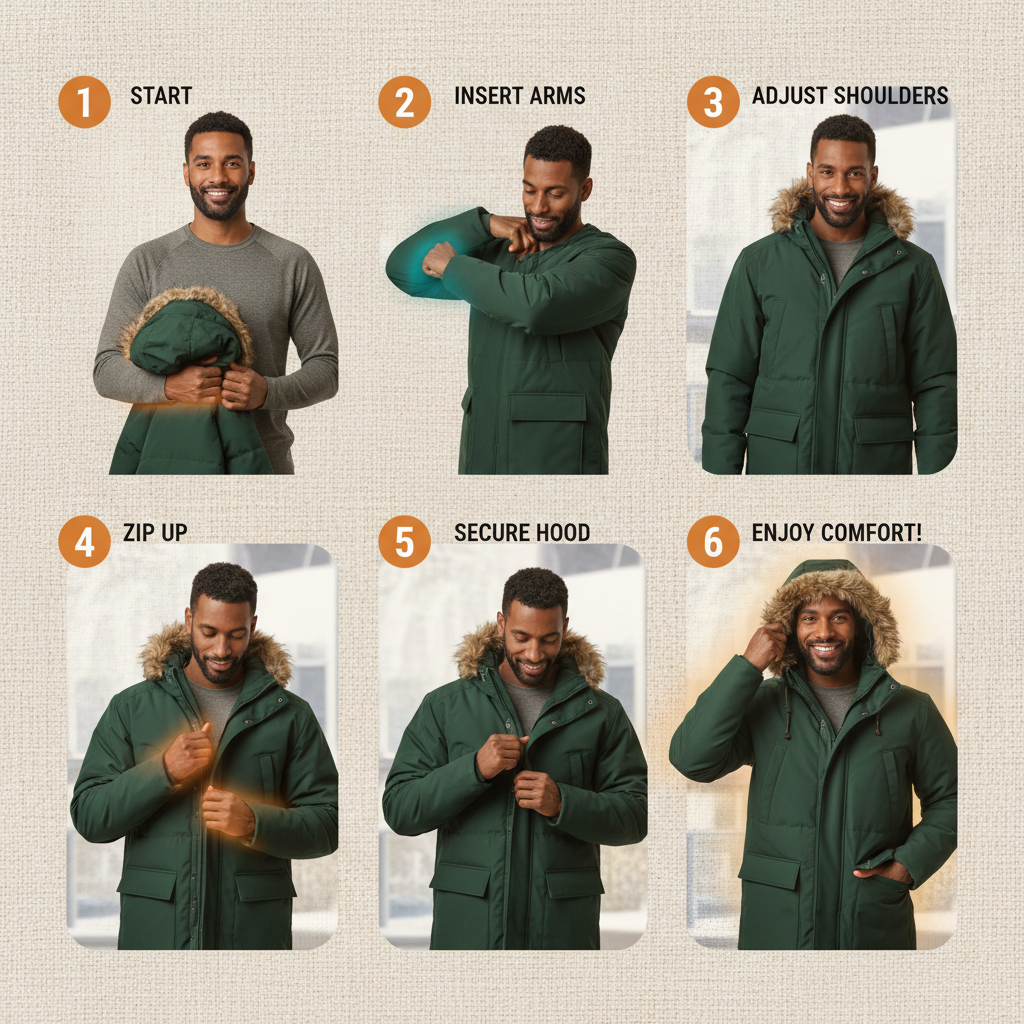
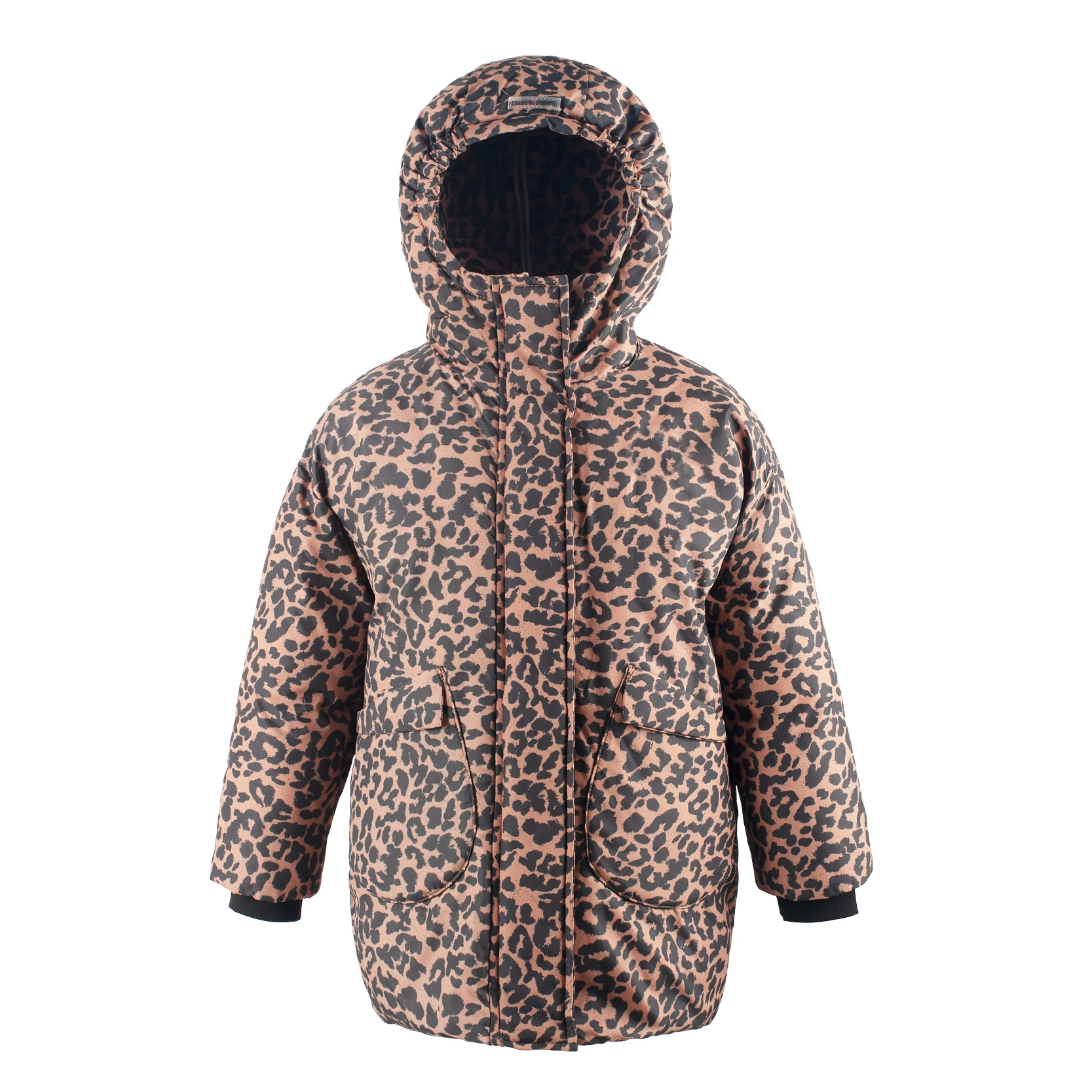
After having spent a fair share of my years in various industrial and outdoor equipment roles, I can say heated clothing is one of those quiet innovations that really changes the daily grind. Especially when it comes to camo heated clothes, which might sound niche, but they’re remarkably practical for anyone needing to stay warm while blending into forestry, hunting grounds, or rugged work environments.
Frankly, when I first encountered camo heated gear—jacket, pants, gloves—it felt a little fancy, but after a few field tests and cold mornings, I noticed a difference that goes beyond just warmth. They’re designed with more than just the typical "turn on and heat" function; there’s thoughtful integration of camo fabrics that don’t compromise the insulation and flexibility needed for physical work.
Why Camouflage Matters in Heated Workwear
For many in the industrial game—surveyors, utility workers, construction crews, or those in security—blending in sometimes isn’t just about looking cool or trendy. It’s about safety, stealth, or complying with environmental protocols. Plus, the durability of camo patterns often hints at tough outer materials that can stand abrasion and weather.
I recall one forestry crew leader mentioning how a heated camo jacket became his go-to, not only because it kept him warm during early morning inspections but also because it helped avoid startling wildlife or alerting unwelcome eyes in sensitive areas. It’s that sort of practical intersection where innovation meets tradition.
Materials and Heating Technology That Make a Difference
The tech inside these garments isn’t just fluff—there’s serious engineering behind the heat panels, battery placement, and fabric choices. Most use carbon fiber or graphene heating elements strategically sewn into chest, back, or sleeves, providing consistent warmth without overheating. These panels must be flexible too, so movement isn’t restricted; oddly enough, some of the latest options feel almost like normal clothing.
The outer shell is often water-resistant and windproof, while the internal lining combines insulation and breathability. I’ve worked with some camo heated gloves that include touchscreen-compatible fingertips, which prove invaluable for anyone still needing to use a smartphone or tablet without exposing cold hands.
In Real Terms: Product Specs
| Feature | Specification |
|---|---|
| Heating Elements | Carbon fiber panels in chest, back & sleeves |
| Battery Life | Up to 10 hours (low heat), ~4 hours (high heat) |
| Material | Polyester blend with water-resistant coating |
| Weight | Approx. 900g (medium size jacket) |
| Camo Pattern | Multi-terrain woodland and desert options |
| Control | 3 heat settings (LED indicators) |
Vendor Comparison: What’s on the Market?
| Brand | Battery Life | Camo Options | Water Resistance | Price Range |
|---|---|---|---|---|
| ThermoCamo Pro | 10 hours (low) | Woodland, Desert | IPX4 Water resistant | $250–$350 |
| FieldWarm Camo | 8 hours (low) | Forest, Urban | Water repellent coating | $200–$300 |
| PullyTrade HeatGear | Up to 10 hours (low) | Woodland, Desert, Snow | IPX5 Waterproof | $275–$375 |
I should note that one of the reasons I often recommend checking out products at PullyTrade is their balance of quality materials and pricing. Their camo heated clothes usually come with robust warranties and solid customer support — which frankly, everyone in the field appreciates when you depend on gear in rough environments.
Customization is also a growing trend in this space. Oddly enough, some vendors now offer tailored sizing not just for fit but layering compatibility, which can be a game-changer when you’re layering multiple PPE items underneath or need extra durability on stress points like elbows or knees.
To wrap up, camo heated apparel might seem like high-end gear, but in industrial contexts where cold won’t relativize or relent, it’s an investment. It’s neither a gimmick nor just an enthusiast’s toy — it’s practical technology blending warmth, safety, and a subtle look. And to be honest, when you’re working in bone-chilling temps, that warmth feels like a little lifesaver tucked right into your shirt.
In the end, you might not miss noticing the chill, but you sure will notice the difference when you don’t have to stop just to warm up.
References:
1. Industry safety standards on heated clothing – OSHA
2. User feedback and testing reports from PullyTrade product line
3. Thermal textile technology whitepapers, 2023