Buy High Quality Cheap Waterproof Work Jackets for Youth
Finding high-performance outerwear that balances cost-efficiency with technical reliability is a primary challenge for procurement managers sourcing children's apparel. The demand for durable, weather-resistant clothing has shifted toward materials that offer both thermal insulation and moisture protection without inflating the budget. For those searching for cheap waterproof work jackets in the youth sector, the key lies in optimizing material selection—such as high-grade polyester—to ensure longevity in harsh winter conditions.
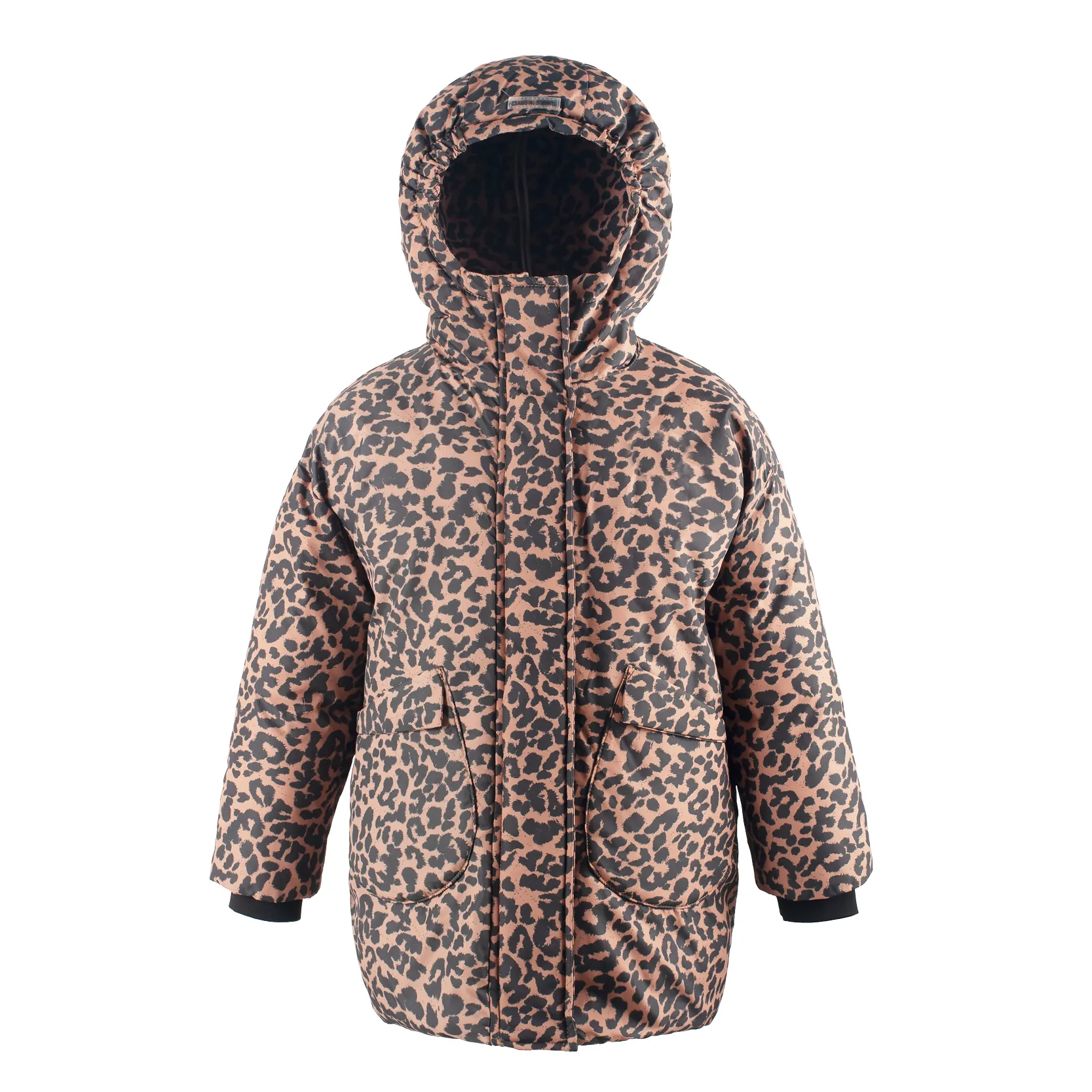
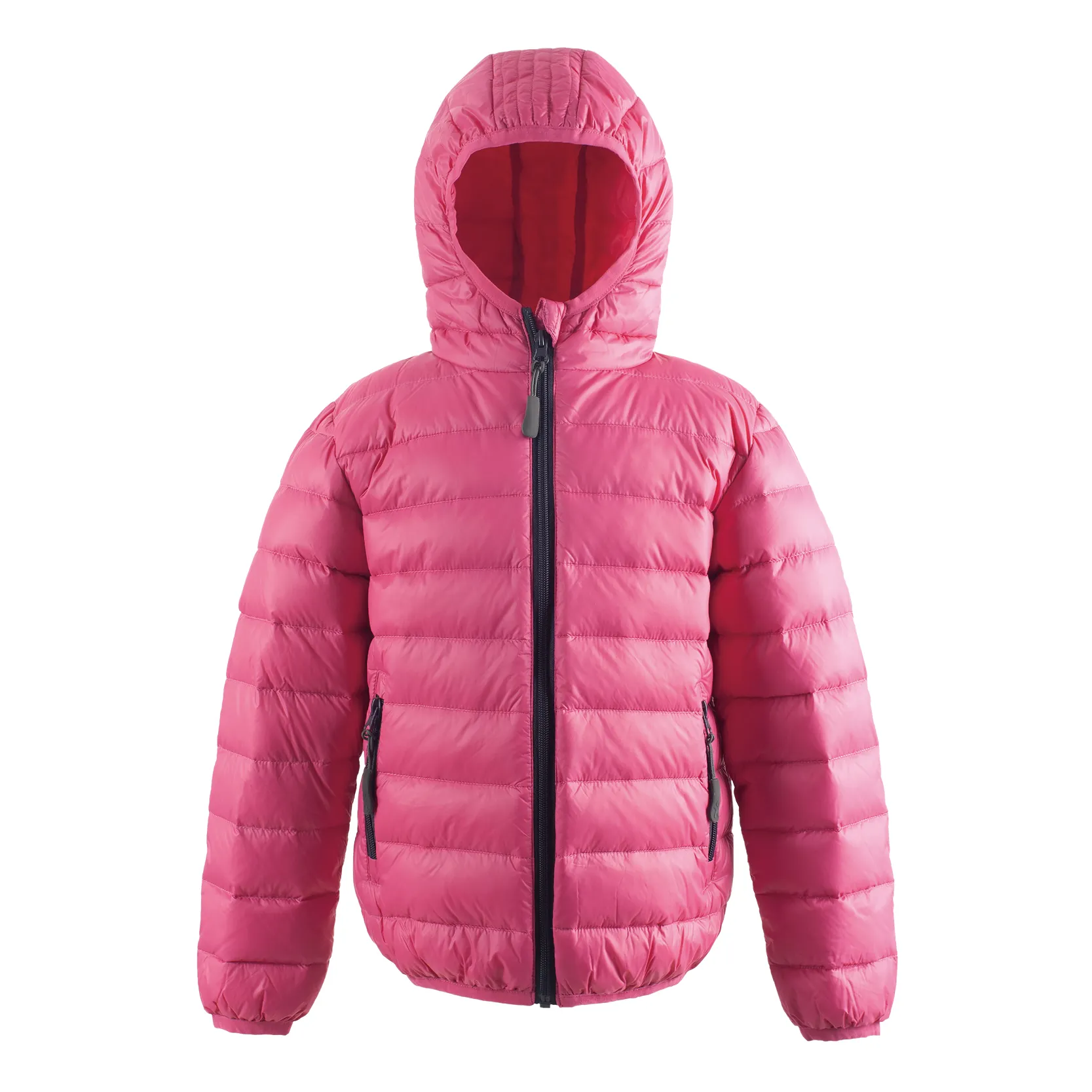
This specific color-block hooded puffer jacket represents a strategic merge of vibrant design and functional utility. By utilizing 100% polyester for the shell, lining, and padding, the garment addresses the critical need for wrinkle resistance and anti-shrinkage, which are essential for active children. Understanding the intersection of textile science and commercial viability allows buyers to secure products that maintain warmth and durability while remaining cost-effective for large-scale distribution.

Technical Material Analysis of 100% Polyester Construction for Winter Outerwear
The performance of a winter jacket is fundamentally dictated by its fabric composition. In this model, the use of 100% polyester across the upper shell, lining, and padding is a deliberate engineering choice to maximize the strength-to-weight ratio. Polyester is widely recognized in the garment manufacturing industry for its hydrophobic properties, meaning it resists water absorption and dries significantly faster than natural fibers, making it an ideal candidate for weather-resistant youth apparel.
Beyond moisture management, polyester provides essential structural benefits that reduce the total cost of ownership for the end consumer. Its inherent resistance to shrinking and wrinkling ensures that the jacket maintains its professional aesthetic and fit even after repeated wear and industrial laundering. This stability is crucial for garments intended for school environments or outdoor sports, where mechanical stress on the fabric is constant.
- Thermal Insulation: The polyester padding creates a trapped air layer that prevents body heat from escaping in chilly weather.
- Durability: High tensile strength prevents easy tearing during active use.
- Maintenance: Easy-care properties reduce the need for specialized cleaning, increasing the product's practical lifespan.

Functional Design Elements Enhancing User Protection and Mobility
A truly functional garment must integrate protective features that do not hinder the wearer's natural movement. The hooded architecture of this puffer jacket serves as the first line of defense against wind and precipitation, protecting the head and neck—areas where heat loss is most rapid. The front zipper is engineered for ease of use, allowing children to dress independently while ensuring a secure seal against the cold.
Strategic additions, such as zippered pockets, provide secure storage for small essential items, eliminating the need for additional bags during school outings or winter sports. Furthermore, the integration of ribbed cuffs is a critical detail; these elasticized bands prevent cold air from infiltrating the sleeves and keep the fabric from sliding down, ensuring that the warmth generated by the polyester padding remains contained within the garment.
From a manufacturing perspective, these features are implemented through a streamlined process that ensures consistency across large batches. The combination of a vibrant color-block palette (red, blue, and navy) not only appeals to the fashion sensibilities of the youth market but also increases visibility, which is a safety consideration for children navigating outdoor environments during the shorter days of winter.
Procurement Considerations for High-Volume Children's Functional Apparel
When sourcing children's winter wear, procurement specialists must look beyond the initial price point to evaluate the overall value proposition. A common mistake is prioritizing the lowest cost without verifying certification and manufacturing standards. Selecting a partner with BSCI, OEKO-TEX, and amofori certifications ensures that the production process meets international social and environmental compliance standards, which is increasingly mandatory for exports to the US, Europe, and Canada.
The ability to utilize OEM/ODM services allows brands to customize everything from fabric weight to specific color schemes. For those seeking cheap waterproof work jackets for youth or promotional uniforms, the transition from a concept sketch to a finished product requires a supplier with a strong internal design team and modern production plants. This vertical integration reduces supply chain links, effectively lowering costs while maintaining strict quality control over the final stitching and zipper functionality.
Key evaluation criteria for bulk procurement should include:
- Certification Verification: Ensure the facility adheres to global safety and ethical standards.
- Sample Accuracy: The ability of the manufacturer to accurately restore design intentions in the pre-production sample.
- Material Consistency: Verifying that the polyester grade remains consistent across all production lots to avoid variations in warmth or water resistance.
Comparative Analysis of Winter Outerwear Material Performance
| Material Type | Moisture Resistance | Thermal Retention | Durability Rating | Care Requirement |
|---|---|---|---|---|
| 100% Polyester | High | Medium-High | High | Low (Easy Care) |
| Nylon Blend | Very High | Medium | Very High | Medium |
| Cotton Mix | Low | Medium | Medium | High |
| Down Fill | Low (unless treated) | Very High | Medium | Very High |
| Polyester Blend | Medium | Medium | Medium-High | Low |
Integrating Sustainable Manufacturing with Cost-Effective Production
The modern textile industry is undergoing a transition toward "green environmental protection" and sustainable development. For manufacturers, this means optimizing the cutting process to minimize fabric waste and selecting OEKO-TEX certified materials that are free from harmful substances. By integrating sustainable practices into the production of functional outdoor clothing, companies can meet the stringent demands of the European and North American markets while maintaining competitive pricing.
Efficiency in the production plant is achieved through the introduction of international leading equipment and a strict quality inspection system. When the production mode is independent, the company gains more initiative in the market, allowing for flexible adjustments in customized services. This agility is essential when reacting to global fashion trends, enabling the rapid development of products that are both stylish and functional.
Ultimately, the goal is to provide high-quality service to global customers by combining technological innovation with management efficiency. This approach ensures that the pursuit of cost-effectiveness does not result in a compromise in product integrity, but rather a more intelligent application of resources and manufacturing expertise.
Future Trends in Functional Youth Outerwear and Sourcing Strategies
Looking forward, the youth apparel market is moving toward "smart" functionality—where lightweight materials provide the same thermal protection as heavier traditional puffers. We expect to see an increase in the use of recycled polyester and bio-based coatings to enhance waterproof capabilities without relying on legacy chemicals. Buyers who align their sourcing strategies with these eco-friendly trends will likely find greater success in the expanding "conscious consumer" demographic.
To remain competitive, distributors should focus on partners who can provide one-stop customized solutions. The shift from simple OEM (Original Equipment Manufacturing) to comprehensive ODM (Original Design Manufacturing) allows for the creation of entire clothing series based on deep market insights. This ensures that the resulting products—whether they are durable work clothes or vibrant winter jackets—are perfectly aligned with local cultural characteristics and regional climate requirements.
The future of the industry lies in the ability to quickly provide high-quality, low-price products through continuous equipment innovation and service optimization. By focusing on "professionalism + experience," manufacturers can ensure that every piece of clothing meets the rigorous standards of the global market.
Frequently Asked Questions Regarding Functional Winter Apparel
What makes 100% polyester a preferred choice for children's winter jackets?
Polyester is preferred because it offers a combination of durability, wrinkle resistance, and anti-shrinkage properties. It provides effective insulation to keep children warm in chilly weather and is generally easier to maintain than natural fibers.
How does the hooded design contribute to the overall functionality of the puffer jacket?
The hood provides essential protection against wind and cold, preventing heat loss from the head. When combined with ribbed cuffs, it creates a more sealed environment that keeps the wearer cozy and unrestricted during outdoor activities.
What certifications should I look for when sourcing from a clothing manufacturer?
For global standards, look for BSCI certification for social compliance, OEKO-TEX for textile safety, and amofori certification. These ensure that the products are manufactured ethically and are safe for the wearer.
Can this type of jacket be customized for specific brand requirements?
Yes, through OEM and ODM services, customers can participate in the entire process, including fabric selection, style design, and detailed decoration to achieve personalized customization solutions.
Is this jacket suitable for high-activity winter sports?
Yes, the durable polyester construction and ribbed cuffs allow for free movement, making it suitable for school, outings, and winter sports while maintaining warmth.
What is the advantage of a color-block design in youth outerwear?
Beyond the aesthetic appeal of vibrant colors like red and navy, color-block designs increase the visibility of the child in outdoor winter environments, adding a layer of safety to the fashion.
Industry Standards and Technical References
- OEKO-TEX Standard 100 - Textile Safety Certification
- Business Social Compliance Initiative (BSCI) Guidelines
- ISO Standards for Quality Management Systems in Apparel
- Textile World - Technical Analysis of Synthetic Fibers
Choosing the right winter outerwear requires a balance of material science and manufacturing expertise. By focusing on certified production and high-performance polyester, procurement managers can ensure that their products deliver lasting value to the end consumer.
Related Youth Apparel and Workwear Solutions